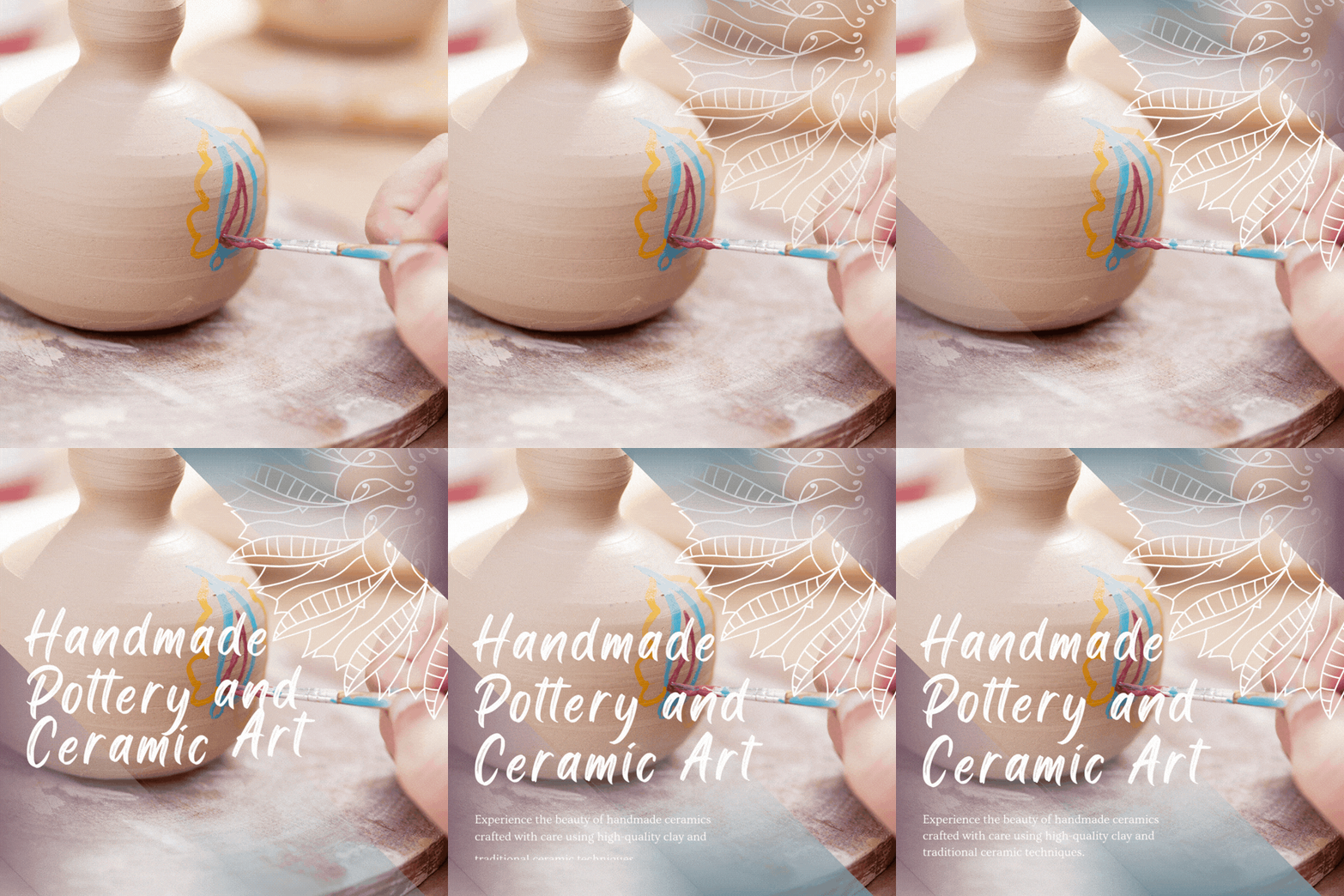
When you hold a handmade ceramic bowl from Safi, you are holding more than a useful object. You can see the marks of craftsmanship, the colors chosen by the artisan, and the influence of a tradition that has been practiced in the city for centuries. In Safi, pottery is closely connected to everyday life, local identity, and Moroccan artistic heritage.
If you want to understand Moroccan ceramics beyond what you see in a shop, Safi is a fascinating place to start. The city is officially recognized by UNESCO as a Creative City of Crafts and Folk Art, with pottery remaining one of its most important cultural activities.
From traditional Safi pottery to contemporary art ceramics, you can discover how clay is transformed into plates, bowls, vases, architectural elements, and decorative works.
Safi Ceramics has a distinctive place in Moroccan craftsmanship because pottery has been part of the city’s identity for generations. The Moroccan National Tourist Office describes Safi as one of the country’s capitals of ceramics and highlights its pottery district, where artisans work with terracotta and clay.
When you explore the city’s pottery workshops, you can find both practical objects and decorative pieces. Cups, bowls, plates, flower pots, amphoras, and other ceramic products are among the items traditionally associated with Safi.
Several characteristics make Safi’s ceramic tradition particularly interesting:
Handmade craftsmanship
Moroccan geometric and decorative influences
Glazed and painted surfaces
Functional and decorative objects
Skills passed from one generation to another
A strong connection to local artisan communities
A Safi ceramic piece can combine practical use with artistic expression. A simple plate, for example, can become a decorative object through its shape, glaze, and painted details.
This combination is one reason safi ceramic continues to attract visitors, collectors, interior designers, and people looking for distinctive Moroccan home décor.
The relationship between Safi and pottery is not a recent development. Pottery has been practiced in the city for centuries, with production historically concentrated in areas such as the Potters Hill and Potters Village. Traditional shaping, glazing, and firing techniques continue alongside gradual technical development.
The city’s location on Morocco’s Atlantic coast also contributed to its importance as a trading and cultural center. Safi developed as a port city where maritime trade, agriculture, industry, and craftsmanship came together.
Today, the pottery tradition remains an important part of the city’s economy and cultural identity. Safi’s pottery sector includes numerous workshops and supports a large community of artisans and workers.
The history of Safi pottery does not mean that artisans simply reproduce old designs. Traditional skills can be adapted to new shapes, colors, markets, and interior-design trends.
That gives you an interesting meeting point between heritage and creativity. A contemporary piece may still use traditional techniques while presenting a more modern appearance.
One of the best ways to appreciate Safi Ceramics is to understand the work behind the finished product.
Although techniques vary between workshops and artisans, the process generally involves several important stages.
The process begins with suitable clay. The material needs to be prepared before it can be shaped into a ceramic object.
Depending on the workshop and production method, preparation can involve cleaning, mixing, adding water, and kneading the clay until it reaches a workable consistency.
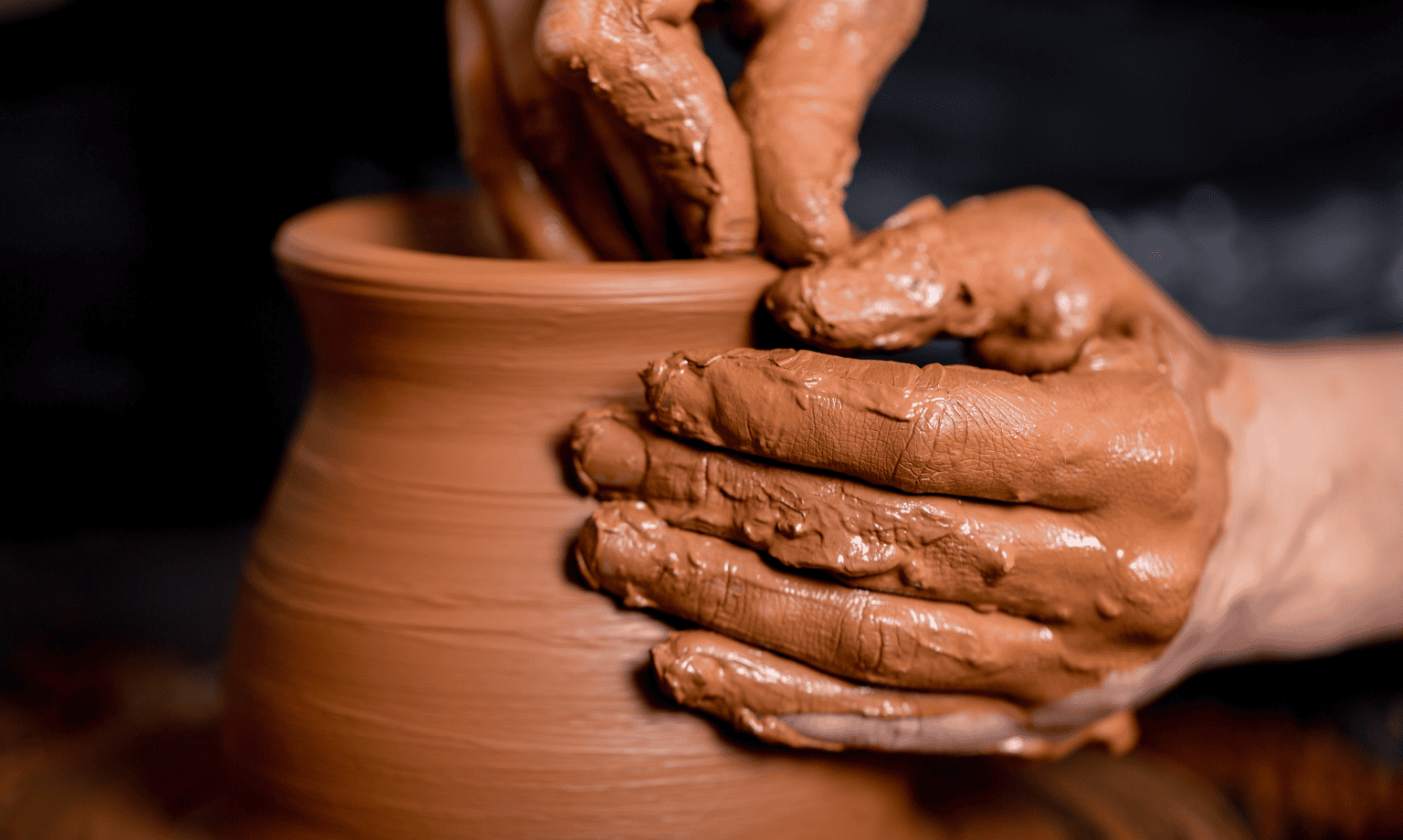
The artisan then transforms the clay into the desired form. Depending on the object, you may see techniques involving hand shaping, a pottery wheel, or other forming methods.
This is where an artisan’s experience becomes particularly important. Creating a balanced bowl or symmetrical vessel requires control and patience.
Before firing, the shaped object must dry. Removing excess moisture is essential because remaining water can cause problems when the ceramic is exposed to high temperatures.
Once the piece reaches the appropriate stage, decorative details and glaze can be added.
Patterns and colors can dramatically change the appearance of a ceramic object. Safi pottery is particularly associated with distinctive colors and decorative ceramic traditions.
The final stage involves firing the ceramic in a kiln. Heat transforms the prepared clay into a durable ceramic material while helping the glaze develop its finished surface.
This combination of preparation, shaping, decoration, and firing is what turns a simple piece of clay into a finished work of art ceramics.
When you look at Moroccan ceramics from different cities, you quickly notice that regional traditions can have their own visual characteristics.
Colors and shapes vary across Morocco, and Safi pottery is particularly associated with colorful and decorative pieces.
You may encounter:
| Ceramic characteristic | What it can add to the piece |
|---|---|
| Blue and white decoration | A classic Moroccan appearance |
| Multicolored patterns | A lively and expressive look |
| Geometric motifs | Visual rhythm and structure |
| Floral-inspired details | Softer decorative character |
| Glazed surfaces | Depth, shine, and protection |
| Hand-painted details | Individual artisan character |
Rather than assuming every piece follows one fixed style, you should think of Safi ceramics as a broad tradition containing different approaches from individual artisans and workshops.
Pottery is not only something you admire behind glass. It has traditionally served practical purposes in Moroccan homes.
You can find ceramic products designed for:
Serving food
Preparing and presenting meals
Drinking
Storing items
Decorating homes
Creating architectural details
Giving as souvenirs or gifts
This mixture of functionality and decoration makes Safi pottery especially appealing. You can use a handmade bowl at your dining table while also appreciating it as an artistic object.
The term art ceramics can describe ceramic works where artistic expression is an important part of the final object.
In Safi, this idea can be seen in the way traditional craftsmanship continues to provide a foundation for new creative approaches.
| Traditional approach | Contemporary approach |
|---|---|
| Heritage-inspired patterns | Modern interpretations |
| Traditional forms | Experimental shapes |
| Familiar colors | New color combinations |
| Functional objects | Decorative or conceptual works |
| Established techniques | Adapted techniques |
This does not mean that traditional and contemporary ceramics are completely separate. In many cases, you can see both approaches within the same ceramic tradition.
The ability to adapt is also important for keeping craftsmanship relevant to younger generations and new markets.
Terms such as concept cerame and grand cerame can appear in discussions surrounding ceramic design, studios, businesses, or artistic projects. Their exact meaning depends on the context in which they are used.
For your own research or when buying ceramics, it is better to check whether these terms refer to a specific brand, workshop, project, or broader ceramic concept rather than assuming they describe a particular traditional Safi technique.
The wider idea, however, is useful: ceramics can move beyond basic household objects and become part of contemporary design, architecture, decoration, and artistic expression.
If you visit Safi, you have several opportunities to experience its ceramic heritage directly.
The pottery district is one of the city’s attractions, and the Potter’s Hill is among Safi’s notable places.
Instead of only looking at finished products, take time to observe how artisans work.
You can:
Visit pottery workshops.
Watch artisans shape clay.
Examine different glazing styles.
Compare handmade pieces.
Ask about production techniques.
Learn where the materials come from.
Choose a piece directly from an artisan or reputable seller.
Safi is also home to the National Museum of Ceramics. It offers another way to explore Morocco’s ceramic heritage through collections of pottery and ceramic objects from different parts of the country.
A museum visit gives you another perspective. Instead of looking only at products available for sale, you can explore ceramics as part of Morocco’s broader cultural and artistic heritage.
When you buy Safi Ceramics, do not judge a piece only by its color or price.
Pay attention to:
The quality of the glaze
The shape and balance
Painted details
Surface imperfections
Weight and thickness
The seller’s information
Whether the object is intended for food use
Whether the piece is handmade
A handmade object does not necessarily need to look perfectly identical to another one. Small variations can be part of the character of artisan production.
If you plan to use a ceramic plate or bowl for food, ask the seller whether the particular glaze and finish are suitable for that purpose.
Once you bring a piece home, proper care can help you enjoy it for years.
For everyday ceramic tableware:
Wash it gently.
Avoid abrasive cleaning materials.
Follow the artisan’s care instructions.
Avoid sudden temperature changes when appropriate.
Store fragile pieces where they cannot easily fall.
For decorative pottery, keep pieces on stable surfaces and protect them from unnecessary impacts.
Buying handmade pottery can be more than a shopping decision. It can help maintain a traditional craft and support the people who keep those skills alive.
Safi’s pottery ecosystem includes workshops, cooperatives, associations, training institutions, and points of sale. Heritage preservation, training, innovation, and expanded market access are important for the city’s creative sector.
This matters because traditional craftsmanship depends on knowledge being passed on. When you choose a handmade product and learn about its origin, you become part of the wider effort to keep artisan traditions visible and economically viable.
Morocco has many ceramic traditions, and each region can offer a different visual language.
| Region | General ceramic characteristics |
|---|---|
| Safi | Strong pottery tradition with colorful and decorative pieces |
| Fez | Well known for refined ceramic and zellige traditions |
| Meknes | Recognized for its own regional craft traditions |
| Rural regions | Often connected to local forms, materials, and community practices |
These differences are exactly what make exploring Moroccan ceramics so rewarding. You can compare regions while recognizing that each tradition has its own history and techniques.
Safi Ceramics refers broadly to the ceramic and pottery tradition associated with Safi, Morocco. It includes functional pottery, decorative objects, architectural elements, and artistic ceramic works.
Safi pottery is known for its long-standing artisan tradition, handmade ceramic production, decorative designs, and colorful glazed pieces. The city is widely recognized as one of Morocco’s important centers of ceramics.
Many Safi pottery products involve traditional artisan craftsmanship, although production methods can differ between workshops. Traditional shaping, glazing, and firing techniques continue to be practiced in the city.
You can look for pottery workshops, artisan shops, pottery districts, and specialized Moroccan ceramic sellers. Visiting the workshops in person can also help you understand how individual pieces are made.
Ask about the piece’s origin, production method, artisan, and intended use. Examine the craftsmanship and compare the information provided by the seller with the characteristics of traditional Safi pottery.
Some pieces are designed for food use, while others are primarily decorative. Always ask the seller whether the specific ceramic and glaze are suitable for food before using it for serving or cooking.
When you explore Safi Ceramics, you are not simply looking at colorful plates, bowls, or decorative objects. You are discovering a craft shaped by generations of artisans and deeply connected to the identity of an Atlantic Moroccan city.
From the clay preparation and shaping process to glazing and firing, every stage requires knowledge and patience. Safi’s pottery districts, artisans, museum, and creative community give you different ways to understand this heritage.
Whether you are interested in safi ceramic, Moroccan interior design, art ceramics, or simply looking for a meaningful handmade object, Safi gives you plenty to explore.
Ready to discover Moroccan ceramic craftsmanship for yourself? Explore Safi’s pottery workshops, compare handmade designs, and choose a piece that brings a genuine part of Moroccan artistic heritage into your home.