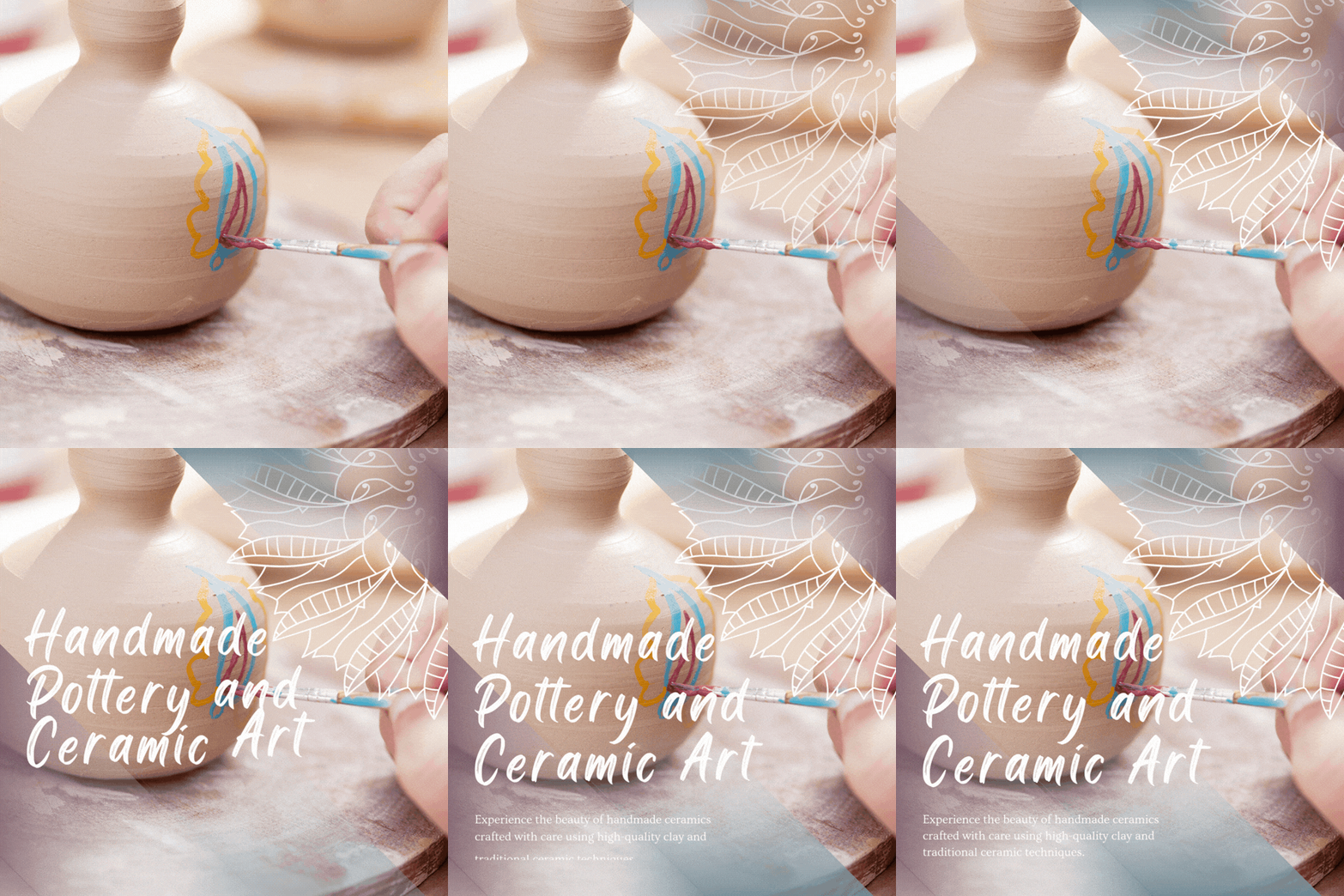
Discover the history of pottery in Safi, Morocco — from ancient Berber origins to the city’s status as a world-renowned center of Moroccan ceramics and green Safi pottery.
Nestled on Morocco’s Atlantic coast, Safi pottery is one of the most celebrated traditions in North African craftsmanship. Known worldwide as the “Capital of Moroccan Ceramics,” Safi has produced hand-thrown, hand-painted pottery for centuries. Today, the city’s iconic green Safi ceramics are recognized as a symbol of Moroccan artisanal identity, exported to markets across Europe, North America, and the Middle East.
This article explores the rich history of pottery in Safi, tracing its journey from an ancestral Berber craft to a globally recognized heritage industry.
The story of traditional Moroccan pottery in Safi begins long before the city became a trading hub. Archaeological evidence suggests that pottery-making in the region dates back to prehistoric times, when local Berber (Amazigh) communities used the area’s abundant red clay deposits to craft everyday utensils, storage jars, and ritual objects.
Safi’s unique geography — rich clay soil combined with easy access to the Atlantic Ocean — made it a natural center for ceramic production. Early artisans developed techniques passed down through generations, forming the foundation of what would later become one of Morocco’s most distinctive pottery traditions.
By the medieval period, Safi’s ceramic industry had grown into an organized craft guild system. The city’s famous “Colline des Potiers” (Potters’ Hill) emerged as a dedicated district where kilns, workshops, and artisan families clustered together. This neighborhood remains active today, allowing visitors to witness authentic Moroccan pottery-making exactly as it has been practiced for generations.
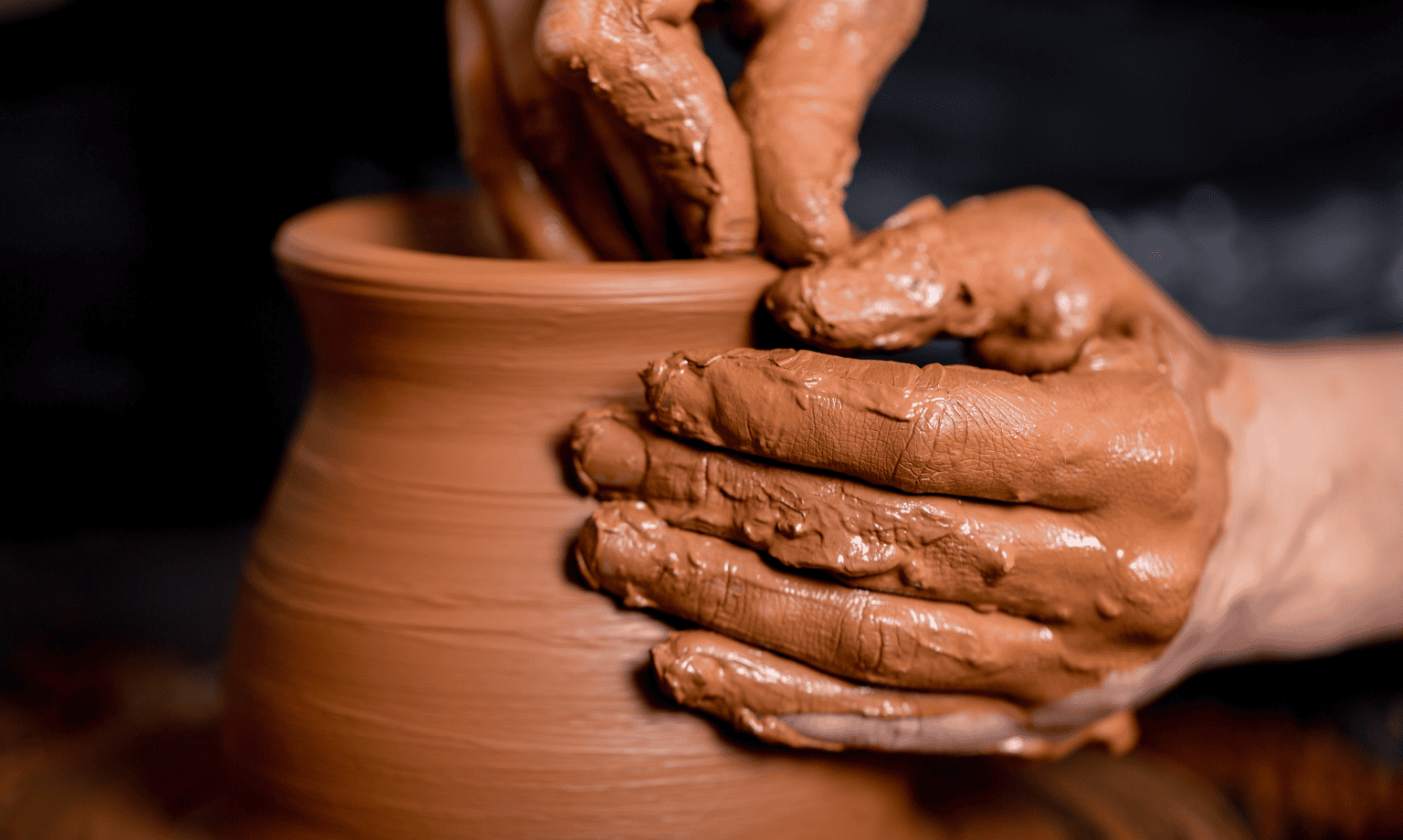
Master potters — known locally as maâlems — trained apprentices in the art of wheel-throwing, glazing, and hand-painting, ensuring the survival of techniques that define Safi ceramic artistry to this day.
The 20th century marked a turning point in the history of Safi pottery. During the French Protectorate era, European artists and ceramicists — most notably the French artist Boujemaa Lamali alongside collaborators — introduced new glazing techniques and design innovations. This period gave rise to the now-iconic “vert de Safi” (Safi green), a distinctive emerald glaze that became the city’s signature.
This fusion of indigenous Amazigh motifs with modern European ceramic techniques created a unique artistic identity, cementing Safi’s reputation as Morocco’s premier ceramic production center.
Today, Safi Moroccan pottery is produced using a blend of traditional and modern methods. Artisans still shape clay by hand on manual wheels, but many workshops have also adopted electric kilns and updated tools to meet growing international demand — without sacrificing the authenticity that makes handmade Safi ceramics so prized.
Products from Safi range from decorative tagines and vases to tiles (zellige), plates, and garden pottery, all featuring hallmark hand-painted geometric and floral patterns in blue, green, and earth-tone glazes.
Safi’s pottery industry has become a significant contributor to Morocco’s cultural export economy. Moroccan ceramic exports from Safi reach interior design markets, hospitality brands, and private collectors worldwide, valued for their craftsmanship, cultural authenticity, and eco-friendly natural materials.
International recognition has also brought renewed interest in preserving Safi’s UNESCO-recognized artisanal heritage, with local cooperatives and government initiatives working to protect traditional techniques while supporting sustainable growth of the industry.
Several factors make Safi pottery stand out on the global stage:
From humble Berber origins to international acclaim, the history of pottery in Safi reflects the resilience and creativity of Moroccan craftsmanship. What began as a practical craft rooted in daily life has evolved into a celebrated art form — one that continues to connect Morocco’s ancestral traditions with the modern global marketplace. Whether displayed in a Marrakech riad or a European living room, every piece of Safi ceramic pottery carries centuries of history in its glaze.