Meta description: Discover what makes Safi pottery unique — from its signature green glaze to hand-painted motifs and traditional firing techniques used by Morocco’s master ceramicists.
Among Morocco’s many artisanal traditions, Safi pottery stands out for its unmistakable color palette and time-honored techniques. Known as the country’s ceramic capital, Safi has built its reputation on a distinctive visual identity — most famously its signature emerald green glaze — combined with meticulous hand-painted craftsmanship passed down through generations of local artisans.
This article uncovers the secrets behind Safi’s unique pottery, exploring the colors, glazing methods, and artistic techniques that set it apart from other ceramic traditions in Morocco and beyond.
Vert de Safi: The Iconic Green Glaze
The most recognizable feature of Safi ceramics is undoubtedly its famous green glaze, known locally and internationally as “vert de Safi” (Safi green). This rich, glossy emerald color emerged in the early 20th century when local artisans, influenced by French ceramicist Boujemaa Lamali, refined mineral-based glaze formulas to achieve this now-legendary hue.
The green glaze is created using copper oxide combined with specific mineral compounds, fired at precise temperatures to produce its characteristic depth and shine. This color has become so closely tied to the city’s identity that Safi green pottery is recognized worldwide as a hallmark of authentic Moroccan craftsmanship.
While green remains the most iconic shade, traditional Safi pottery also features:
These color combinations allow artisans to create both bold statement pieces and subtly elegant designs, appealing to a wide range of aesthetic tastes.
Hand-Thrown Wheel Work
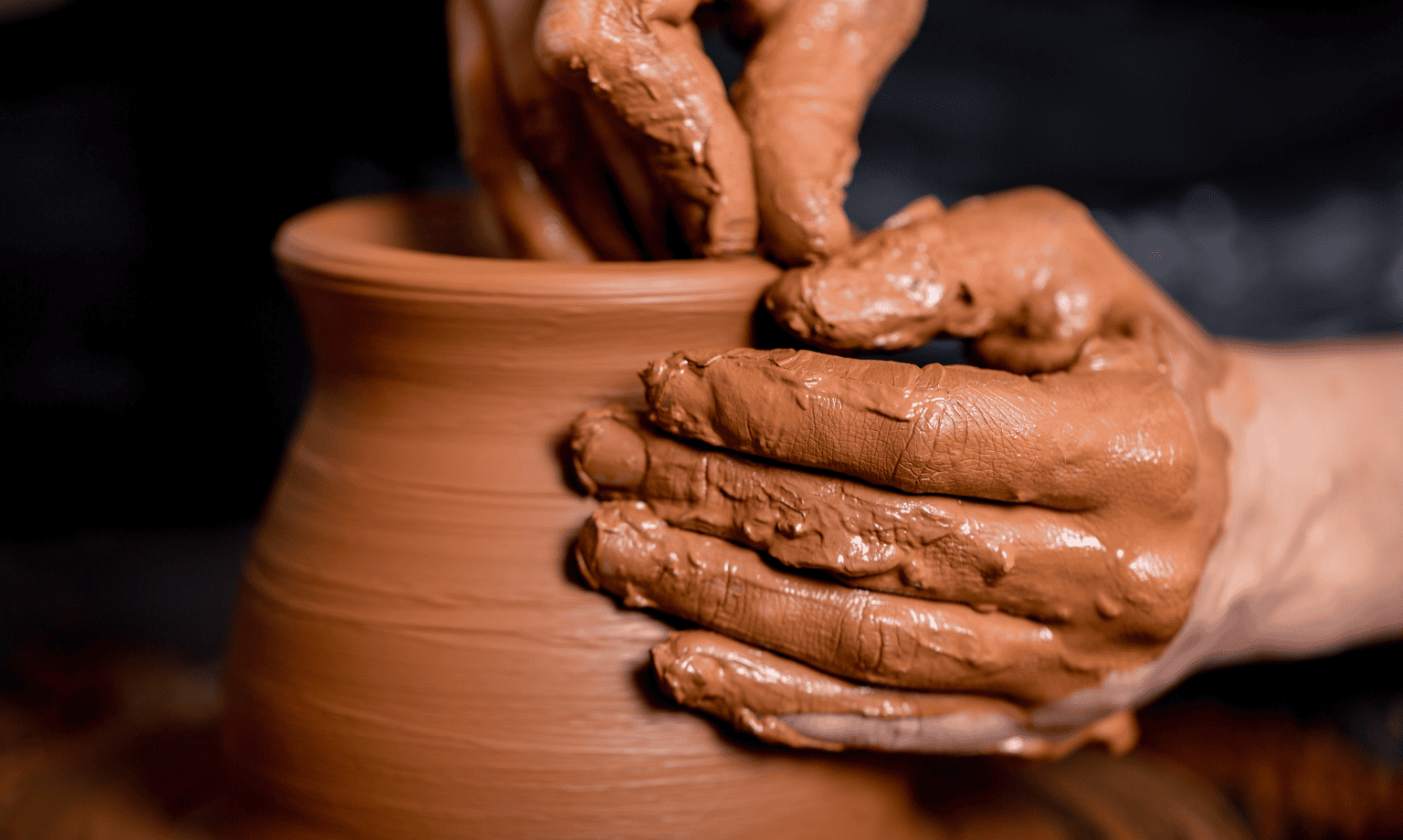
Most Safi ceramic pieces begin on a traditional potter’s wheel, where skilled maâlems (master craftsmen) shape clay entirely by hand. This technique, passed down through generations, allows for consistent yet organically unique forms — no two pieces are ever perfectly identical.
What truly distinguishes Safi pottery designs is the intricate hand-painting process. Using fine brushes, artisans apply detailed patterns inspired by:
Each design is painted freehand, meaning the final decoration relies entirely on the artisan’s skill and artistic memory rather than templates or machine printing.
Like most fine ceramics, Safi pottery undergoes a two-stage firing process:
This double-firing method ensures the pottery is both visually striking and functionally durable, suitable for decorative and everyday use alike.
Much of Safi’s ceramic artistry is concentrated in the historic Potters’ Quarter, a hillside district home to generations of ceramic workshops and traditional kilns. Visitors to this area can witness the entire pottery-making process firsthand — from raw clay preparation to the final glazing and painting stages — making it one of Morocco’s most authentic cultural experiences.
Several factors contribute to the enduring uniqueness of Safi’s ceramic heritage:
The unique pottery of Safi is more than just decorative art — it’s a living reflection of Moroccan history, identity, and craftsmanship. From the legendary green glaze to intricate hand-painted patterns and traditional firing methods, every piece tells a story shaped by generations of skilled artisans. As demand for authentic, handmade ceramics continues to grow globally, Safi’s colors and techniques remain a true secret worth discovering.