When you think about Moroccan pottery, you may picture colorful bowls, hand-painted plates, traditional tajines, or the deep green pottery associated with the south. But Morocco’s ceramic heritage is much richer than a single style. Each pottery-producing region has developed its own techniques, colors, shapes, and artistic traditions.
If you want to understand this craft, Safi is one of the best places to begin. The city has a strong reputation for pottery and ceramic production, while other destinations such as Tamegroute, Marrakech, and Fes offer completely different experiences.
By exploring these places, you can see how local materials, history, and generations of craftsmanship have shaped Moroccan pottery.
Safi is one of Morocco’s best-known pottery centers. The city has a long tradition of producing both practical household objects and highly decorated artistic pieces.
When you explore Safi pottery, you will notice that craftsmanship is not limited to one product. Local production can include plates, bowls, vases, decorative objects, and architectural ceramics.
The development of pottery in Safi is closely connected to the city’s artisan communities. Potters have traditionally worked with clay to create objects for everyday life, gradually developing distinctive decorative styles.
Over time, Safi became particularly associated with colorful painted and glazed pottery. Traditional geometric compositions, floral details, and strong contrasts became recognizable elements of the city’s ceramic identity.
Today, you can still find workshops where traditional techniques are combined with contemporary designs.
Several characteristics can make pottery from Safi immediately recognizable:
Hand-painted decoration
Glazed surfaces
Geometric and floral motifs
Strong use of color
Functional and decorative designs
Individual artisan craftsmanship
If you are looking for a piece that combines practical use with Moroccan artistic heritage, Safi ceramics offer plenty of choices.
Moroccan pottery should not be viewed as one uniform tradition. Different cities and regions have developed their own approaches to clay, decoration, glazing, and production.
| City | Main Pottery Identity | Typical Characteristics |
|---|---|---|
| Safi | Safi ceramics and pottery | Painted, glazed, colorful designs |
| Tamegroute | Tamegroute pottery | Distinctive green and earthy finishes |
| Marrakech | Artisan workshops | Traditional objects and pottery experiences |
| Fes | Fes pottery and ceramics | Detailed decorative patterns and ceramic arts |
This regional diversity is one of the most interesting things you can discover when exploring Moroccan pottery.
If you travel beyond Safi, Tamegroute offers another fascinating pottery tradition. Located in southern Morocco, Tamegroute is particularly famous for its distinctive green-glazed pottery.
The visual character of Tamegroute pottery is strongly influenced by its glazing and firing techniques. Many pieces have an earthy appearance combined with shades of green, although variations exist.
You may find:
Bowls
Plates
Vases
Decorative vessels
Small household objects
The pieces often retain a rustic appearance that reflects the traditional nature of the craft.
Although both traditions belong to Moroccan pottery, their visual identities can be quite different.
| Feature | Safi Ceramic | Tamegroute Pottery |
|---|---|---|
| Region | Safi | Tamegroute |
| Style | Often colorful and painted | Often earthy and green |
| Decoration | Geometric and floral designs | Glaze-focused appearance |
| Character | Decorative and refined | Rustic and distinctive |
| Craft tradition | Strong pottery industry | Traditional local workshops |
This contrast makes visiting both regions particularly interesting if you enjoy handmade ceramics.
Marrakech is one of Morocco’s most popular destinations for discovering traditional crafts. While the city is known for its souks and artisan products, you can also find opportunities to experience pottery directly.
When you explore Marrakech pottery, you may encounter traditional bowls, plates, tajines, vases, and decorative pieces.
The city’s craft markets provide an opportunity to compare different designs and discover how Moroccan artisans adapt traditional forms for modern customers.
You can also find contemporary studios that combine Moroccan influences with modern ceramic design.
If you want more than simply buying a handmade object, a pottery class in Marrakech can give you a closer connection to the craft.
A typical workshop may introduce you to:
Preparing and handling clay.
Basic shaping techniques.
Working with a pottery wheel or hand-building.
Creating simple decorative patterns.
Drying and firing the finished object.
This can be particularly rewarding because you leave with a better understanding of the time and skill required to produce handmade pottery.
Fes has another important place in Moroccan ceramic history. The city is famous for traditional craftsmanship, including pottery, ceramics, and zellige-related decorative arts.
Fes pottery is often associated with detailed decoration and carefully controlled patterns. Traditional Moroccan geometric designs play an important role in the city’s broader artistic heritage.
When you compare pottery from Fes with Safi pieces, you can notice differences in decorative approaches, colors, and artistic influences.
Fes is particularly interesting if you want to understand the relationship between ceramics and Moroccan architecture.
Ceramic decoration has historically been used not only for household objects but also for architectural surfaces and decorative installations.
This connection between functional pottery, visual art, and architecture makes Fes an important destination for anyone interested in Moroccan craftsmanship.
One of the most fascinating aspects of Moroccan pottery is its regional diversity.
When you compare different areas, you may notice differences caused by local materials, historical influences, artisan traditions, and the needs of local communities.
Several factors contribute to this diversity:
Availability of local clay
Traditional firing methods
Regional artistic influences
Skills passed between generations
Local consumer needs
Historical trade connections
Differences in glazing techniques
As a result, Moroccan pottery can range from simple rustic objects to highly decorated ceramic artwork.
Moroccan artisans are not necessarily limited to reproducing historical designs.
Many contemporary makers experiment with new shapes, finishes, colors, and combinations of traditional and modern aesthetics.
This means you can find pieces that look deeply traditional as well as objects designed for modern interiors.
The tajine is probably one of the most recognizable Moroccan ceramic objects.
Its distinctive conical lid is not simply decorative. The traditional shape is designed to help steam circulate during cooking and return moisture to the food.
Traditional production can involve several stages:
Selecting and preparing the clay.
Shaping the base and lid.
Allowing the pieces to dry.
Adding decoration or glaze when appropriate.
Firing the pieces in a kiln.
Inspecting the finished product.
Before purchasing tajine pottery, you should determine whether the piece is designed for cooking or decoration.
A decorative tajine should not automatically be placed over direct heat. If you intend to cook with one, check the seller’s instructions regarding heat resistance, food safety, and suitable cooking methods.
Whether you are looking at pottery from Safi, Tamegroute, Marrakech, or Fes, the production process can involve considerable skill.
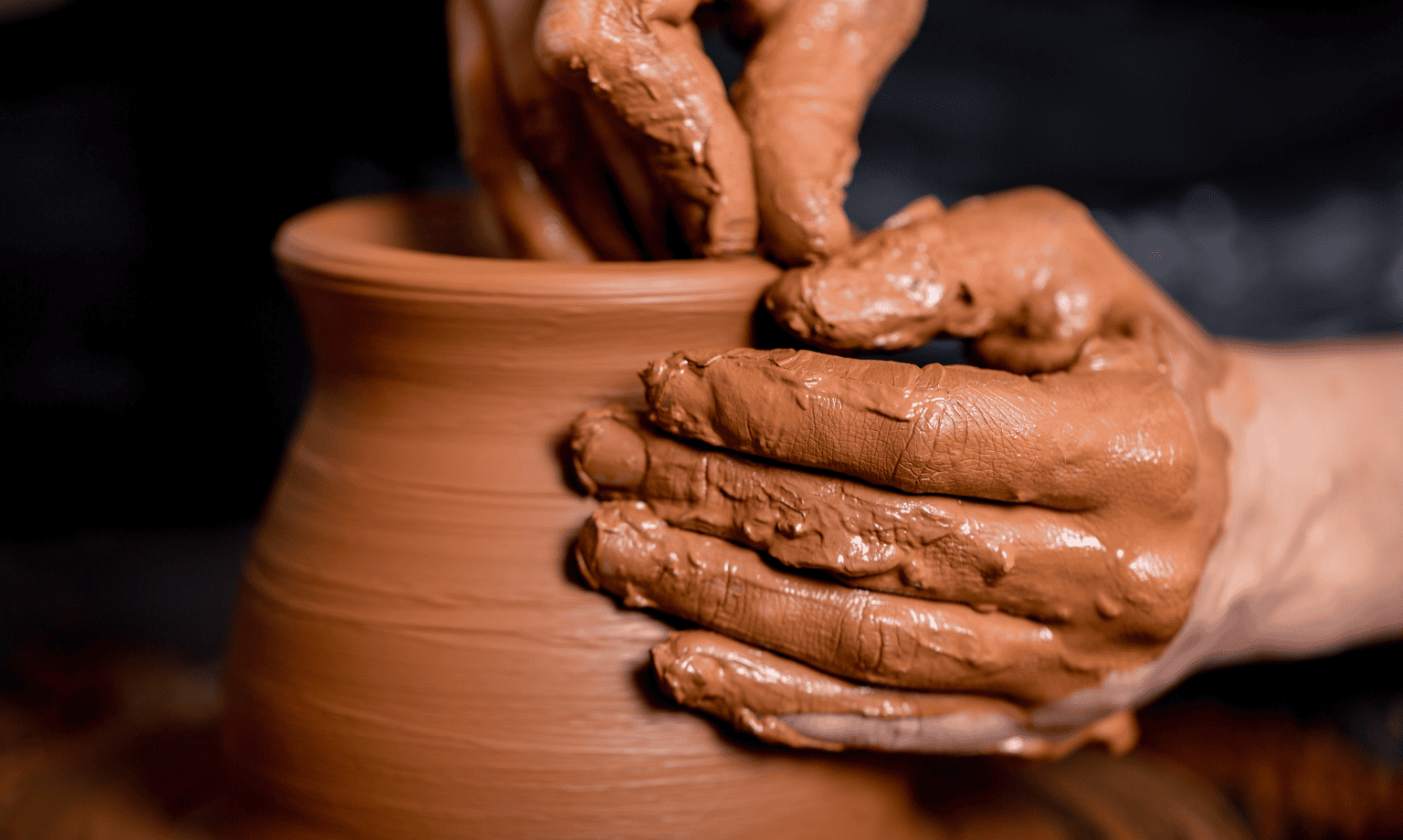
The clay must be prepared before shaping. Depending on the workshop, this can involve cleaning, mixing, kneading, and removing unwanted material.
The consistency of the clay is important because it affects how easily the artisan can shape the object.
Artisans may use a pottery wheel or traditional hand-building methods.
The wheel allows the maker to create symmetrical forms, while hand-building offers more freedom for unusual shapes and structures.
Once the object reaches the appropriate stage, the artisan can add decoration.
This might involve:
Painting
Engraving
Geometric patterns
Floral motifs
Glazing
Surface texturing
The final stage involves firing the pottery in a kiln.
Heat transforms the clay into a durable ceramic material and can dramatically influence the final color and surface.
The result is never simply the product of a machine. Temperature, glaze, clay composition, and artisan technique can all influence the finished appearance.
If you want to explore pottery in person, each city offers a different experience.
In Safi, you can look for artisan workshops, traditional pottery areas, and specialist stores.
A visit to local pottery areas allows you to see different stages of production and compare handmade pieces.
You can also use online maps to locate pottery-related businesses before visiting the city.
Marrakech is especially convenient if you want to combine shopping with an interactive craft experience.
You can explore traditional markets, artisan stores, and pottery workshops. If you have enough time, consider taking a pottery class to experience the process yourself.
Fes offers another perspective on Moroccan ceramic craftsmanship.
Explore traditional markets and artisan areas to find decorative pottery, ceramic products, and other examples of Moroccan craftsmanship.
If you are planning a trip to Safi, using map services can make your search easier.
Search for terms such as:
Safi pottery
Ceramic shops in Safi
Pottery workshops
Moroccan pottery
Artisan shops
This can help you identify potential locations before you arrive.
Safi belongs to the wider Marrakech-Safi administrative region, an area known for cultural and geographical diversity.
The region brings together different landscapes, communities, and craft traditions.
Marrakech has a strong tourism and artisan market, while Safi has a particularly strong association with pottery and ceramics.
If you are exploring Moroccan crafts, visiting both cities can give you a broader understanding of how regional traditions differ.
Safi’s importance comes from its long-standing relationship with pottery production.
The city is not simply a place where you can buy ceramic objects. It is a location where pottery remains connected to artisan knowledge, local identity, and Moroccan cultural heritage.
Whether you are shopping in Safi, Marrakech, or Fes, you should look beyond the appearance of a piece.
Before buying, check:
The overall shape
Surface quality
Glazing
Painted details
Stability of the base
Signs of major cracks
Information about the artisan or workshop
Intended use
Small variations can be normal in handmade products. They may show that the piece was individually shaped or decorated.
| Feature | Handmade Pottery | Mass-Produced Pottery |
|---|---|---|
| Shape | May vary slightly | Highly uniform |
| Decoration | Often individually applied | Standardized |
| Production | Artisan or small workshop | Industrial |
| Appearance | Individual character | Consistent |
| Quantity | Usually limited | Large-scale |
If you value craftsmanship and individuality, handmade pottery can offer a more personal connection to Moroccan culture.
The importance of Safi’s ceramic tradition extends beyond tourism.
Traditional pottery provides a way for artisan knowledge to continue from one generation to another. At the same time, contemporary designers can reinterpret established techniques for new audiences.
When you purchase handmade pottery, you are not simply choosing an attractive object. You are also discovering a craft shaped by local history, materials, artistic traditions, and human skill.
For travelers and collectors, that story can make a piece much more meaningful.
Safi ceramic refers to the pottery and ceramic craftsmanship associated with Safi, Morocco. The tradition includes functional tableware, decorative objects, glazed pottery, and hand-painted pieces.
Safi has a long-established pottery tradition and is widely recognized as an important Moroccan center for ceramic craftsmanship.
The two traditions have different regional identities and visual characteristics. Safi pottery is often associated with painted and colorful glazed designs, while Tamegroute pottery is particularly known for its distinctive green and earthy appearance.
You can explore artisan workshops, pottery markets, specialist stores, and local craft areas in Safi. Online map services can also help you identify potential pottery shops and workshops.
Many traditional pieces involve substantial handmade craftsmanship, although production methods vary between individual artisans and workshops.
Both are part of Morocco’s rich ceramic heritage, but their decorative traditions and regional artistic influences differ. Fes is especially associated with detailed geometric ceramic arts, while Safi is strongly recognized for its pottery production and painted glazed pieces.
Yes. Marrakech offers pottery workshops and classes where you can learn basic techniques such as shaping clay, using a wheel, and decorating pottery. Availability depends on the individual workshop.
Tamegroute pottery is particularly recognized for its distinctive green-glazed appearance and traditional production methods.
Exploring Moroccan pottery gives you a different way to understand the country’s culture. Instead of seeing ceramics as simple household objects, you begin to notice the history, skills, materials, and regional traditions behind every piece.
Safi offers an especially important starting point because of its strong pottery heritage. Tamegroute introduces you to a distinctive southern tradition, while Marrakech gives you opportunities to experience pottery through workshops and classes. Fes adds another dimension through its detailed ceramic and architectural traditions.
If you are planning your next Moroccan cultural experience, do not limit yourself to buying a souvenir. Visit a workshop, speak with an artisan, examine the details of a handmade piece, and discover how clay becomes part of Morocco’s cultural identity.
Explore Safi, compare its pottery with the traditions of Tamegroute, Marrakech, and Fes, and find a handmade piece that tells a story of Moroccan craftsmanship.