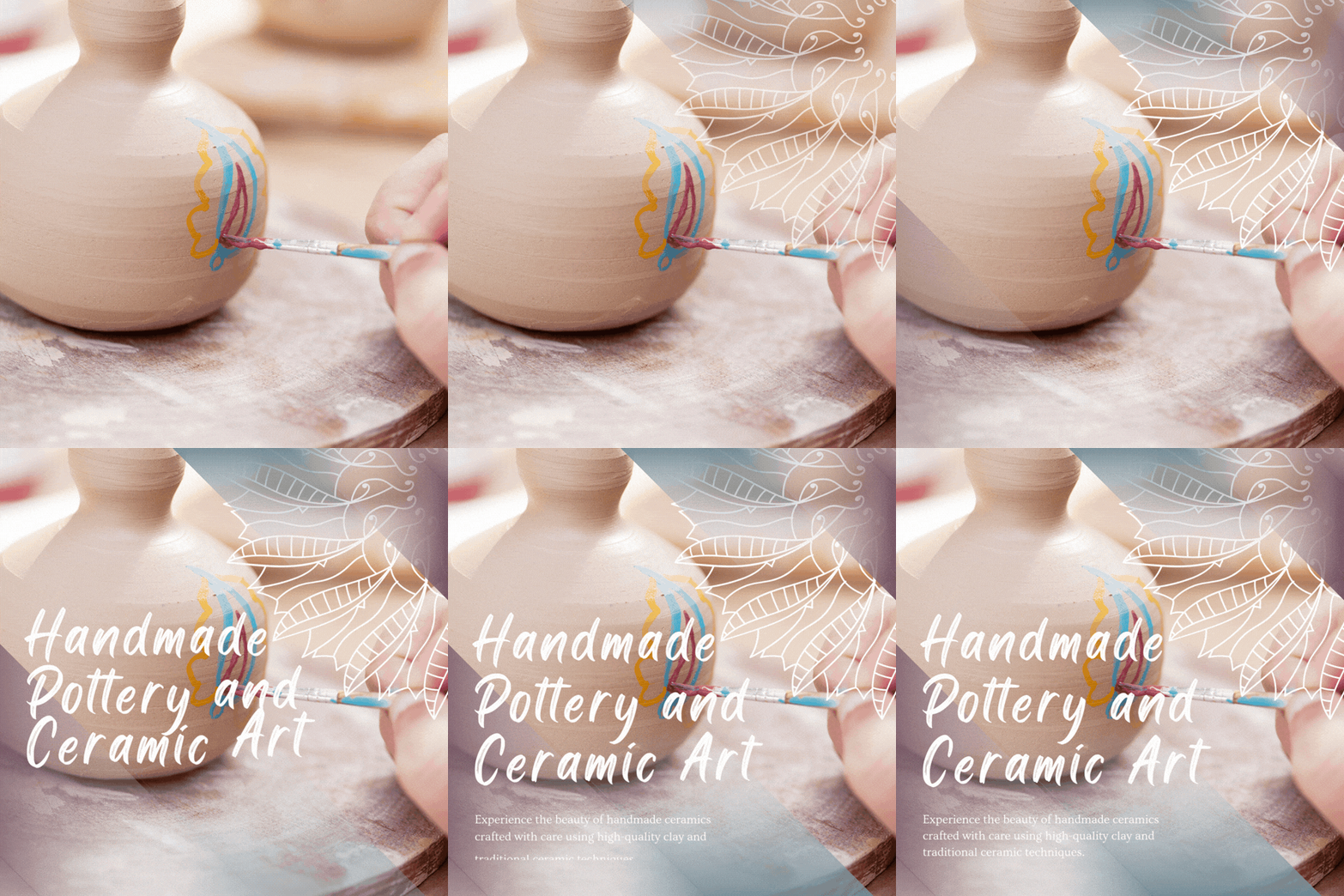
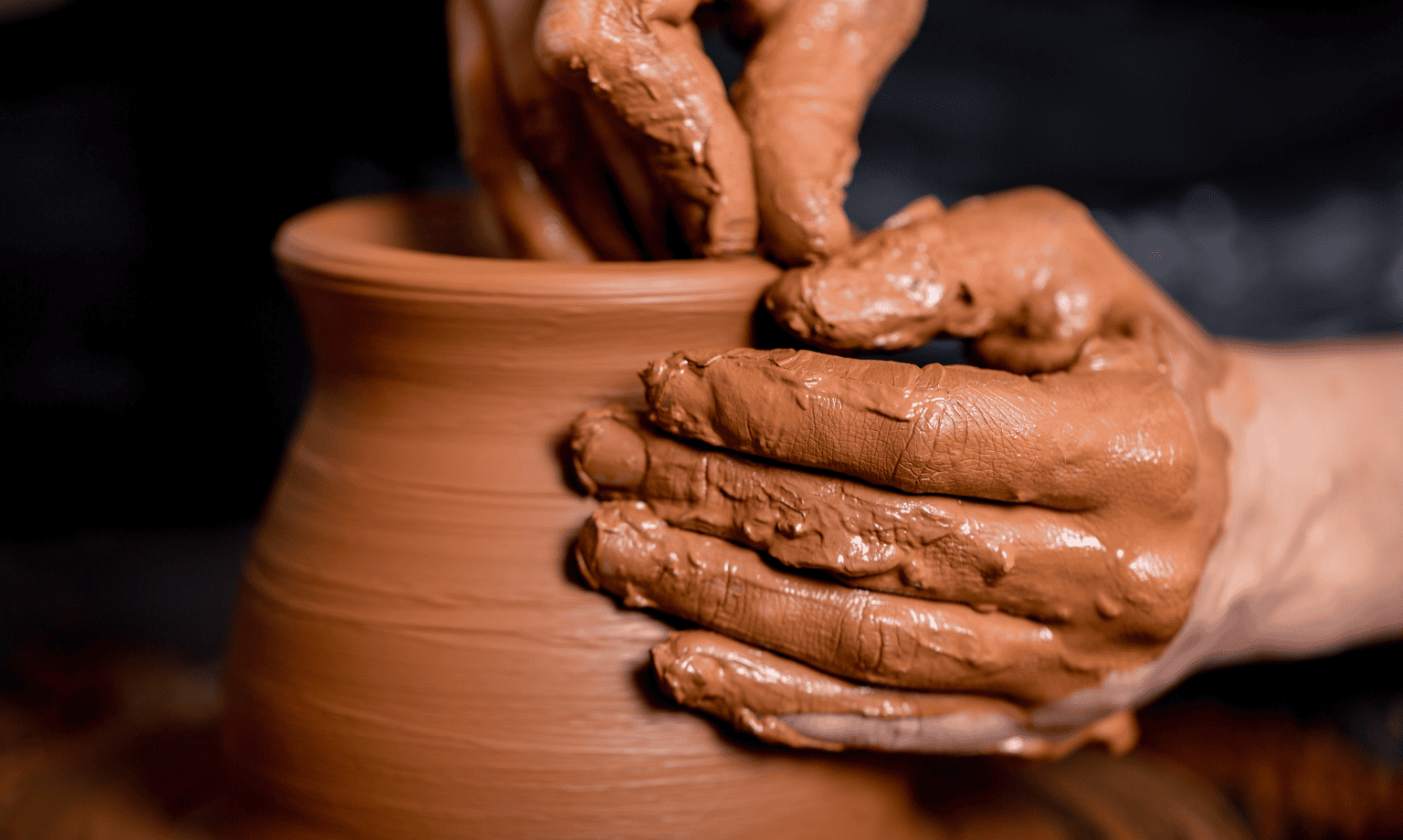
When you hold a piece of Safi ceramics in your hands, you are holding more than clay shaped into a bowl, plate, or vase. You are touching a craft built through years of practice, patience, and creativity.
The painted patterns, glazed surfaces, and handmade details you see are the result of skills passed from one generation to another. In Safi, pottery is not simply about producing objects for the home. It is part of the city’s artistic identity and a living connection between the past and the present.
Whether you are looking for handmade pottery for your home, exploring Moroccan pottery traditions, or searching for a unique piece from a pottery shop, Safi offers a rich world of ceramic craftsmanship. From the first preparation of the clay to the final painted detail, every stage reveals the work and knowledge behind the finished piece.
In this article, you will discover the artisans, techniques, designs, and cultural heritage that make Safi ceramics an important part of Morocco’s traditional craft scene.
Safi has long been associated with ceramic craftsmanship and is widely recognized as one of Morocco’s important pottery centers. Over time, local artisans developed their own approaches to shaping, decorating, and glazing pottery, creating pieces that are both practical and artistic.
When you explore Safi ceramic products, you can find a wide range of objects. Some are made for everyday use, while others are created primarily for decoration. Plates, bowls, tagines, vases, cups, and wall pieces can all reflect the creativity of the artisan who made them.
What makes Safi ceramics especially interesting is the balance between function and decoration. A simple ceramic plate can become a work of art through detailed hand-painted patterns, while a decorative vase can still reflect traditional techniques that have been used for generations.
Although Moroccan pottery varies from one region to another, Safi ceramic work is often recognized for its rich decoration and artistic expression.
Some characteristics you may notice include:
Hand-painted geometric patterns
Floral and decorative motifs
Vibrant combinations of colors
Detailed brushwork
Traditional shapes adapted to modern tastes
Small variations that reflect handmade production
These details help transform ordinary clay into art ceramics with a distinct visual identity.
Behind every finished piece of Safi ceramics is an artisan or a team of craftspeople. Their work requires technical knowledge, experience, and attention to detail.
In many pottery workshops, the production process involves different stages. One person may focus on preparing and shaping the clay, while another may specialize in painting or glazing the finished piece.
The skills required to create handmade pottery are often developed over many years. You cannot simply place clay on a wheel and immediately produce a balanced, durable ceramic object. The artisan must understand the material, control its moisture, shape it correctly, and know how it will react during drying and firing.
Traditional pottery skills are often learned through observation and practice. Younger craftspeople may learn by watching experienced artisans and gradually developing their own techniques.
The learning process can include:
Preparing and working with clay.
Learning how to shape different objects.
Understanding drying times.
Practicing decorative painting.
Learning about glazing and firing.
Identifying mistakes and improving the final result.
This transfer of knowledge plays an important role in keeping traditional Safi ceramics alive.
When you buy handmade pottery, you may notice small differences between two pieces that appear similar. One bowl may have a slightly different curve, while another may have variations in brushwork or decoration.
These differences are often part of the handmade character of the product.
Unlike completely standardized industrial production, handmade pottery can reflect the movements and decisions of the person who created it. That means your piece may have its own individual details and personality.
Creating a ceramic piece involves much more than simply shaping clay. Each stage affects the final appearance, strength, and quality of the product.
The process begins with preparing the clay. It must be suitable for shaping and free from unwanted materials that could affect the finished piece.
The artisan works to achieve the right consistency. If the clay is too dry, it can become difficult to shape. If it contains too much moisture, it may lose its form.
Good preparation creates the foundation for the rest of the process.
Once the clay is ready, it can be shaped into the desired form.
Depending on the product, an artisan may use:
A pottery wheel
Hand-shaping techniques
Molds for certain forms
Additional hand-finishing
Bowls, plates, cups, tagines, and vases all require different levels of skill and control.
The potter must also pay attention to thickness. A piece that is too thin may become fragile, while one that is too thick may feel unnecessarily heavy.
After shaping, the pottery needs time to dry before firing.
Drying is an important stage because uneven or excessively rapid drying can create problems such as cracking or warping. The conditions, size, thickness, and shape of the piece can all affect the drying process.
Patience is essential here. A well-made piece can still be damaged if it moves too quickly through the production stages.
Firing transforms shaped clay into ceramic material.
The pottery is exposed to high temperatures, which change its physical structure and help create a more durable object. The firing process requires careful control because temperature and firing conditions can influence the final result.
Depending on the production method and design, a piece may go through more than one firing stage.
This is where a Safi ceramic piece can truly begin to show its artistic identity.
Artisans may add painted patterns using brushes and traditional decorative techniques. Afterward, glazing can give the surface a particular finish and help protect the decoration.
The combination of shape, color, pattern, and glaze is what can transform functional pottery into decorative art ceramics.
One of the first things you may notice about Safi ceramics is the decoration. Moroccan artistic traditions have produced a rich visual language of geometry, repetition, and decorative detail.
The exact style can vary from one artisan or workshop to another, but many pieces use patterns that create movement and visual balance.
Patterns can include:
Repeated lines
Circular forms
Borders
Floral-inspired elements
Geometric compositions
Symmetrical decorative arrangements
A skilled artisan must carefully place each element so that the design works with the shape of the object.
For example, a pattern that looks good on a flat plate may need to be adapted completely for a rounded bowl or vase.
| Color or Finish | Visual Character | Decorative Effect |
|---|---|---|
| Blue | Bold and traditional | Creates a strong visual contrast |
| Green | Rich and vibrant | Adds depth to decorative designs |
| White | Clean and bright | Helps painted patterns stand out |
| Yellow | Warm and expressive | Brings energy to the piece |
| Multicolor | Detailed and artistic | Creates a more decorative appearance |
Colors and patterns can vary depending on the workshop, artisan, design, and period. This variety is one reason why exploring Moroccan pottery can be so interesting.
The story of Safi ceramics is also the story of cultural heritage.
Traditional crafts can survive when knowledge continues to be practiced and shared. Pottery workshops give artisans a space to continue established methods while also adapting to new ideas and customer preferences.
When you choose handmade pottery, you are not only selecting an object based on its appearance. You are also connecting with the human work behind it.
Today, traditional techniques can exist alongside contemporary design.
Some ceramic makers experiment with:
Modern shapes
Simpler decorative styles
New color combinations
Contemporary home décor trends
Traditional patterns adapted for international customers
This allows Safi ceramic craftsmanship to evolve without completely losing its connection to the past.
The challenge is finding a balance between preserving traditional knowledge and allowing artisans to create something new.
When you visit a pottery shop or browse Safi ceramics online, you may discover products designed for different uses.
| Product | Common Use | What You Can Look For |
|---|---|---|
| Ceramic plates | Serving or decoration | Pattern and surface finish |
| Bowls | Food or display | Shape and glaze |
| Tagines | Cooking or serving | Intended use and construction |
| Vases | Home decoration | Design and proportions |
| Ceramic cups | Drinking or display | Comfort and finish |
| Decorative pieces | Interior decoration | Artistic details |
Before buying a ceramic piece, take a closer look at its details.
You can check:
The quality of the painted design
The surface finish
The shape and balance
The edges and base
Any visible cracks or damage
The information provided by the seller
Whether the item is decorative or intended for food use
Small variations do not automatically mean poor quality. With handmade pottery, slight differences can be part of the production process.
If you are buying online, product photographs, dimensions, and descriptions can help you understand what you are purchasing.
Morocco has several pottery traditions, and each region can bring its own history, materials, decorative approaches, and production methods.
| Feature | Safi Ceramics | Moroccan Pottery From Other Regions |
|---|---|---|
| Regional identity | Closely connected to Safi’s craft tradition | Varies according to the region |
| Decoration | Often detailed and expressive | Can range from simple to highly decorative |
| Production | Handmade and workshop-based methods | Methods vary between artisans |
| Design | Traditional and contemporary influences | Strong regional variations |
| Products | Functional and decorative pieces | Functional, decorative, or both |
When you compare Moroccan pottery, it is useful to appreciate regional differences rather than expecting every ceramic tradition to look the same.
That diversity is part of what makes Moroccan craftsmanship so rich.
You do not need to create an entirely traditional Moroccan interior to enjoy Safi ceramics.
A single handmade piece can become an interesting focal point in a modern room.
You might use ceramic pieces for:
Serving meals
Presenting desserts
Displaying fruit
Serving snacks
Creating a more distinctive table setting
Always check with the seller or manufacturer to confirm whether a specific product is suitable for food use.
Safi ceramics can also be used as:
Wall decorations
Table centerpieces
Decorative bowls
Vases
Shelf displays
A colorful ceramic piece can add texture and personality to a neutral space.
Traditional crafts depend on people who are willing and able to continue practicing them.
When customers choose handmade products from skilled artisans, they can help create continued demand for traditional craftsmanship.
Supporting a pottery shop or artisan can contribute to:
Continued interest in traditional skills
Opportunities for local craftspeople
Greater appreciation for handmade work
The preservation of artistic knowledge
Of course, handmade does not automatically mean that every product is identical in quality or environmental impact. It is still important to learn about the product and the workshop you are buying from.
Proper care can help your ceramic pieces remain in good condition.
Here are a few simple tips:
Follow the care instructions provided by the seller.
Avoid sudden temperature changes unless the product is specifically designed for them.
Handle delicate pieces carefully.
Check whether a piece is dishwasher or microwave safe before using it.
Store decorative ceramics where they are less likely to be knocked over.
If you plan to use Safi ceramic products for food or drinks, confirm that the glaze and product are suitable for that purpose.
Safi ceramics are ceramic and pottery products associated with the craft traditions of Safi, Morocco. They can include decorative and functional objects such as plates, bowls, tagines, cups, and vases.
Safi ceramics are known for their connection to Morocco’s long pottery tradition, skilled artisans, decorative patterns, and handmade craftsmanship.
Many Safi ceramic products involve handmade production or significant hand-finishing. However, methods can vary between workshops and individual producers.
Safi has its own ceramic traditions, decorative styles, and artisan practices. Like other Moroccan pottery centers, it contributes a distinct regional identity to the wider world of Moroccan ceramics.
You can find Safi ceramics in local workshops, markets, specialized pottery shops, and online stores that offer Moroccan handmade pottery.
You may notice slight variations in shape, painted details, or surface finish. You can also ask the seller directly about the production process and the artisan or workshop behind the piece.
It depends on the specific product and its glaze. Before using any ceramic item for food or drinks, you should confirm that it is intended and certified or specified by the seller as suitable for that purpose.
Safi ceramics represent much more than decorative objects. Behind every plate, bowl, vase, or handmade design, there is a process shaped by skill, experience, and artistic tradition.
From preparing the clay and forming the piece to painting detailed patterns and applying the final glaze, ceramic craftsmanship requires patience at every stage. The result is a form of handmade pottery that connects practical use with artistic expression.
When you explore Safi ceramics, you also discover a wider part of Moroccan pottery heritage. You can appreciate the work of artisans, the beauty of traditional patterns, and the way old techniques continue to find a place in modern homes.
If you are looking for a unique piece of Moroccan craftsmanship, take the time to explore our pottery shop and discover handmade ceramic products inspired by the artistic heritage of Safi. Whether you choose a decorative piece for your home or a functional ceramic item for your table, you can bring a small piece of this remarkable craft tradition into your everyday life.