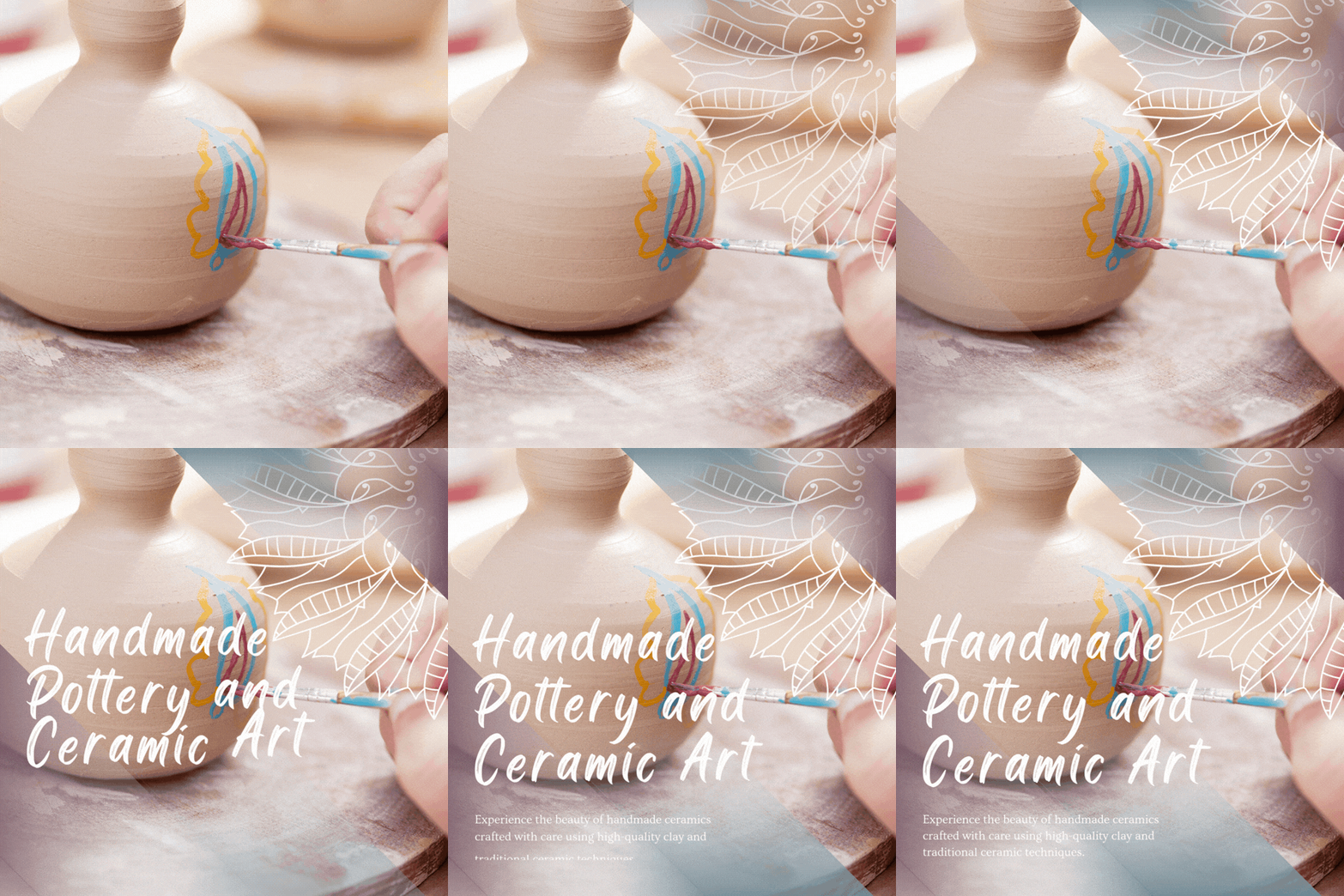
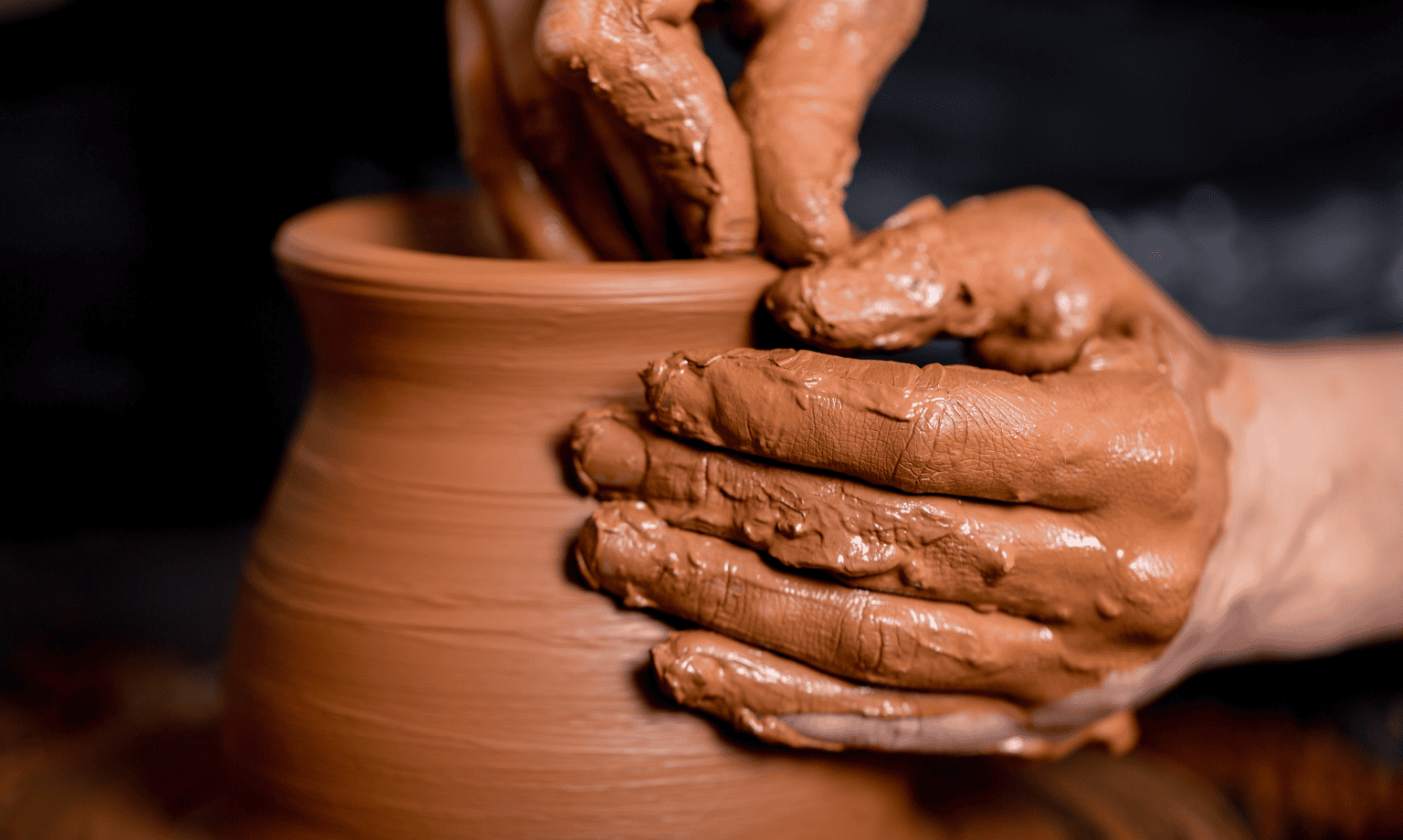
If you have ever held a handmade Moroccan bowl or admired a brightly painted ceramic plate, you may have wondered where its story began. In Safi, that story starts with clay, skilled hands, and a tradition that has survived through generations.
Fakhar Safi Safi pottery is more than a collection of beautiful household objects. It reflects the history, creativity, and craftsmanship of one of Morocco’s best-known pottery centers. When you explore Safi Morocco pottery, you discover a craft shaped by the Atlantic coast, local materials, traditional techniques, and centuries of cultural exchange.
Today, Safi remains closely associated with Moroccan ceramics. UNESCO describes pottery as an important part of the city’s cultural identity, with production concentrated around areas such as Potters Hill and Potters Village.
The Arabic word fakhar (فخار) generally refers to pottery or earthenware. When you hear Fakhar Safi, you are referring to pottery and ceramic craftsmanship associated with the Moroccan city of Safi.
You can find many forms of Safi pottery, including:
Ceramic bowls
Decorative plates
Tagines
Vases
Jars
Cups and serving dishes
Decorative tiles
Architectural ceramic elements
What makes these pieces interesting is the combination of function and decoration. A bowl can serve a practical purpose while also displaying carefully painted patterns that reflect Moroccan artistic traditions.
Safi’s ceramic identity has developed over centuries. UNESCO notes that pottery has been practiced in the city for centuries and that local production continues to combine traditional shaping, glazing, and firing techniques with gradual technical adaptation.
When you buy a handmade piece, you are not simply buying an object. You are buying the result of a process that may involve several stages and different artisan skills.
A typical piece can pass through:
Clay preparation
Shaping
Drying
Decoration
Glazing
Firing
Final inspection
That process gives handmade pottery a character that mass-produced ceramics often struggle to reproduce.
To understand Safi fakhar, you need to look beyond its modern appearance. The city’s pottery tradition has deep historical roots.
Historical and archaeological accounts point to ceramic production in Safi centuries ago. One account published by Le Matin notes evidence of glazed pottery being produced in Safi as early as the 12th century. It also highlights the development of the craft during the 20th century and the important role played by ceramic master Boujemâa Lamali.
Safi’s position on Morocco’s Atlantic coast also mattered. The city developed as an important port, creating connections with different regions and cultures. UNESCO describes Safi as a historic port city where craftsmanship, trade, fishing, and agriculture have developed alongside one another.
The history of ceramics in Safi is not a simple straight line. The craft evolved as artisans adapted techniques, designs, and production methods.
Over time, pottery moved from primarily practical objects toward increasingly elaborate decorative ceramics.
You can see this evolution in the variety of products associated with Safi:
| Traditional use | Modern or decorative use |
|---|---|
| Water containers | Decorative vases |
| Cooking vessels | Display tagines |
| Storage jars | Interior décor |
| Serving dishes | Decorative plates |
| Household objects | Collectible ceramics |
| Architectural elements | Contemporary design |
The transformation shows why Safi pottery remains relevant today. It can preserve traditional techniques while responding to changing tastes.
When you compare Morocco pottery from different regions, you quickly notice that each area has its own visual identity.
Safi ceramics are particularly associated with painted decoration, glazing, and a strong tradition of skilled craftsmanship. UNESCO highlights blue-and-white motifs among characteristics found in Safi pottery, while other sources document the city’s broader use of colorful glazed ceramics.
You may encounter several recurring decorative elements:
Geometric shapes
Floral patterns
Arabesque-inspired decoration
Repeated borders
Symmetrical compositions
Hand-painted details
These designs can transform a simple ceramic surface into something visually expressive.
The colors can also vary considerably. Blue, green, white, and other tones appear across different Safi ceramic styles, giving the pottery a distinctive Moroccan character.
Safi’s geographical setting helped support its pottery industry. The region has access to clay resources, while its position on the Atlantic made the city an important center of trade.
This combination of resources and connectivity helped create favorable conditions for an enduring ceramic tradition.
One of the best ways to appreciate Fakhar Safi is to understand what happens before the finished piece reaches your table.
The artisan begins by preparing clay so that it has the right consistency for shaping. Impurities may need to be removed, and the material must be properly worked before production begins.
Depending on the object, the artisan may shape the clay by hand or use a pottery wheel.
At this stage, skill matters enormously. The artisan has to control thickness, symmetry, and proportions while the clay is still workable.
The shaped piece must dry before it can be fired. If the drying process is poorly controlled, the pottery can crack or deform.
This is where the artisan’s artistic personality becomes particularly visible.
Patterns can be painted or applied to the surface before glazing and firing. Traditional Moroccan geometric and floral influences can create complex designs even on relatively simple objects.
A glaze can provide color, shine, protection, and a smoother surface.
Different glazing techniques can dramatically change the final appearance of a ceramic piece.
The pottery is placed in a kiln and exposed to high temperatures. Firing transforms the clay into a much harder and more durable ceramic material.
Traditional and gas-fired kilns have both been used in Safi’s pottery districts. A report on Potters Hill described dozens of workshops operating with both traditional and gas ovens.
It is useful to distinguish traditional fakhar safi from industrial ceramics.
| Feature | Fakhar Safi | Modern industrial ceramics |
|---|---|---|
| Production | Often handmade | Frequently machine-assisted |
| Decoration | Often hand-painted | May be printed or digitally applied |
| Appearance | Individual variations | Highly uniform |
| Cultural connection | Strong | Depends on product |
| Craftsmanship | Central to production | Can vary |
| Main appeal | Heritage and artistry | Consistency and efficiency |
This does not mean one is automatically better than the other. They simply serve different purposes.
When you choose handmade Safi pottery, small differences between pieces are part of the experience.
You may notice:
Slight variations in shape
Differences in brush strokes
Small irregularities
Unique color variations
Individual decorative details
These characteristics can be evidence of the human hand behind the object rather than flaws to be hidden.
If you are exploring Safi pottery for the first time, you will find much more than traditional bowls.
Bowls can be used for serving food or displayed as decorative objects. Hand-painted versions can add a strong Moroccan touch to your dining table or interior.
Decorative plates are among the easiest ways to bring Safi-inspired design into your home. You can use them for serving or display them on walls and shelves.
The Moroccan tagine is both a cooking vessel and an important cultural object. Safi artisans produce ceramic tagines in practical and decorative forms.
Ceramics can also become part of architecture and interior decoration. Tiles allow traditional patterns to cover larger surfaces and create visual continuity.
If you want Moroccan décor without changing your entire interior, a ceramic vase or decorative Safi piece can become a simple focal point.
If you visit Safi yourself, you can experience the pottery tradition more directly than you can through photographs.
The Colline des Potiers, or Potters Hill, is particularly important. UNESCO identifies it as one of the areas where ceramic production remains concentrated.
Historical reports have also documented a large community of artisans and workshops in the area.
When you visit a workshop, pay attention to:
How the artisan shapes the clay.
Whether decoration is applied by hand.
The different stages of production.
The kiln and firing process.
The variety of finished ceramics.
Seeing the process can completely change how you look at a ceramic plate or bowl afterward.
If you want to purchase Moroccan pottery, do not judge a piece only by its color or price.
Look for:
Hand-painted details
Individual variations
Quality glazing
Solid construction
Information about where it was made
An artisan or workshop connection
You should also ask whether the piece is intended for food use. Not every decorative ceramic item is necessarily suitable for direct contact with food.
Traditional Safi pottery does not belong only in museums or traditional homes.
You can use it in contemporary interiors alongside:
Minimalist furniture
Neutral walls
Natural wood
Modern dining tables
Contemporary lighting
Simple textiles
A single decorated Safi plate can become a focal point in a modern room. Likewise, a collection of ceramic bowls can add texture and color without overwhelming the space.
This balance between tradition and modern design helps explain why Moroccan ceramics continue to attract attention beyond Morocco.
When you look closely at Safi fakhar, you can see several layers of Moroccan culture at once.
There is the material—the clay.
There is the technique—the shaping, decorating, glazing, and firing.
There is the artisan—the person whose experience determines the quality of the final object.
And there is the history behind the craft.
Safi’s pottery districts have helped preserve this knowledge by keeping artisans and workshops connected to a traditional production environment. UNESCO describes pottery as closely tied to the city’s cultural identity, while historical accounts emphasize the continued transmission of ceramic skills from one generation to another.
That is what makes a handmade ceramic piece special. You can use it every day, but its value can go beyond its practical purpose.
A small bowl may remind you of Morocco.
A painted plate can introduce traditional patterns into your home.
A handmade vase can represent the work of an artisan you may never meet.
The object becomes a connection between you and a much older craft tradition.
Fakhar Safi refers to pottery associated with Safi, Morocco. Fakhar is an Arabic term commonly used for pottery or earthenware.
Safi has a centuries-old pottery tradition, specialized craft districts, and a strong reputation for ceramic production. UNESCO recognizes pottery as an important part of Safi’s cultural identity.
Traditional Safi pottery is primarily clay-based. The clay is shaped, dried, decorated or glazed, and then fired to create the finished ceramic object.
Pottery generally refers to objects made from clay and fired in a kiln. Ceramics is the broader category that includes pottery as well as many other clay-based and ceramic materials and products.
Much traditional Safi pottery is associated with handmade craftsmanship, although production methods can vary between workshops. Safi’s traditional districts continue to use shaping, glazing, and firing techniques alongside newer adaptations.
You can explore pottery workshops, artisan areas, local markets, specialist ceramic stores, and reputable online sellers. If authenticity matters to you, ask about the item’s origin and how it was produced.
Fakhar Safi gives you more than beautiful Moroccan ceramics. It gives you a way to experience a craft tradition shaped by history, geography, artistry, and generations of artisans.
From the clay prepared by hand to the final painted and glazed surface, every stage contributes to the identity of Safi pottery. The city’s Potters Hill and other ceramic districts continue to connect traditional skills with contemporary demand.
So, the next time you see a colorful Moroccan bowl, plate, tagine, or vase, take a closer look. Ask where it came from, how it was made, and what story its patterns tell.
Explore authentic Safi ceramics, learn more about Moroccan pottery, and bring a small piece of this remarkable tradition into your own space.