If you have ever walked through a Moroccan souk and noticed a colorful bowl, painted plate, or handmade tagine that immediately caught your attention, you already know part of the appeal of handmade pottery. Each piece can have its own shape, colors, small variations, and character.
When you shop for ceramics in Morocco, you are not simply looking for something attractive to take home. You are discovering a craft connected to local communities, traditional skills, and regional identities. From the famous pottery workshops of Safi to artisan markets in Marrakech and Fez, you have many opportunities to find pieces made with traditional techniques.
This guide will show you where to look, how to recognize quality craftsmanship, what to ask before buying, and how to transport your pottery safely.
Morocco has several important pottery and ceramic destinations, and each offers a different shopping experience. If you want to explore handmade pottery, your best option depends on whether you are looking for traditional pieces, decorative ceramics, souvenirs, or products for everyday use.
| Destination | What You Can Find | Best For |
|---|---|---|
| Safi | Traditional pottery and colorful ceramics | Authentic pottery craftsmanship |
| Fez | Decorative ceramics and zellige-inspired designs | Detailed ceramic decoration |
| Marrakech | Souk pottery and artisan products | Souvenirs and home décor |
| Meknes | Traditional Moroccan crafts | Local artisan products |
| Rabat | Artisan centers and craft shops | Curated Moroccan crafts |
| Essaouira | Artisan products and pottery | Coastal shopping experiences |
For a more authentic experience, consider visiting an artisan workshop rather than limiting your search to large souvenir stores. You can see how products are made, speak with sellers, and learn more about the origin of the pieces.
If pottery is your main reason for visiting a Moroccan craft destination, Safi deserves particular attention. The city has a long-standing relationship with ceramic production and is internationally recognized for its crafts and folk-art heritage.
In Safi, you can find workshops where artisans produce bowls, plates, vases, flower pots, decorative objects, and other ceramic pieces. The city is particularly associated with colorful glazed pottery and traditional craftsmanship.
Safi’s pottery tradition has developed over generations. The city is recognized by UNESCO as a Creative City of Crafts and Folk Art, reflecting the importance of craftsmanship to its cultural identity.
When you explore Safi’s pottery areas, you can discover several stages of the production process:
Preparing clay
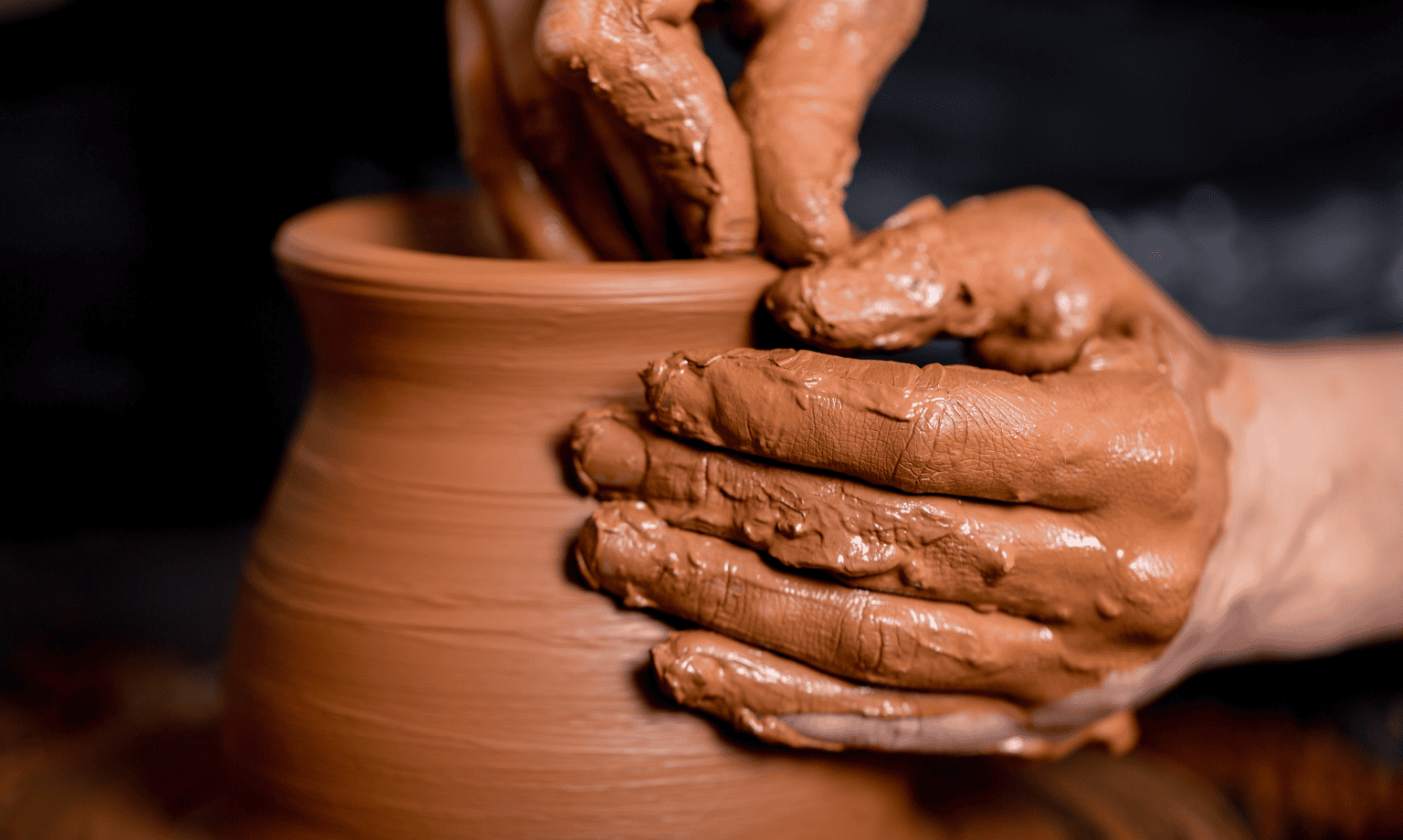
Shaping vessels
Drying pieces
Applying decoration
Glazing ceramics
Firing products in kilns
This makes Safi particularly interesting because you can experience the craft beyond the finished product.
If you are in the city, consider spending time around its pottery workshops and artisan areas.
You can:
Watch artisans shape clay.
Observe decorative techniques.
Compare different workshops.
Ask about the materials used.
Examine finished pieces.
Purchase directly from a workshop or reputable seller.
Buying directly can also give you a better understanding of the work involved in producing each object.
Fez offers another fascinating ceramic tradition. The city is particularly well known for its sophisticated decorative arts, including ceramics and zellige, the famous Moroccan mosaic tilework.
As you explore Fez, you may find ceramic plates, bowls, tiles, serving dishes, and decorative objects featuring geometric patterns and traditional Moroccan influences.
The decoration is often one of the first things you notice. Geometric forms, repeated patterns, and carefully arranged colors can give ceramic pieces a distinctive Moroccan appearance.
If you enjoy detailed decorative work, Fez can be an excellent destination for discovering Moroccan ceramics.
You can look for:
Decorative plates
Ceramic bowls
Serving dishes
Vases
Tiles
Moroccan tableware
Marrakech is one of Morocco’s most popular destinations for shopping, and its traditional souks provide plenty of opportunities to discover ceramics.
You can find pottery in different parts of the medina, including specialized craft stores and shops selling Moroccan home décor.
Depending on the shop, you may see:
Tagine dishes
Bowls
Cups
Plates
Decorative ceramics
Vases
Serving dishes
Painted pottery
Because Marrakech attracts many visitors, prices and quality can vary. Before buying, compare several pieces and ask questions about how and where they were made.
If a seller tells you that an item is handmade, look closely at the decoration and finish rather than relying only on the label.
Your search does not have to stop in Safi, Fez, or Marrakech. Other Moroccan cities also offer opportunities to discover local crafts.
Meknes has a strong connection with Moroccan craftsmanship. You can explore traditional markets and artisan areas where pottery and other handmade products may be available.
In Rabat, look for artisan cooperatives, craft centers, and specialized shops. These can be useful if you prefer a more curated shopping environment.
Essaouira combines a coastal atmosphere with an active artisan scene. While exploring its markets, you can look for pottery alongside other Moroccan handmade products.
These cities can be especially useful if your travel plans already include them. You do not necessarily need to make a separate trip just to find a ceramic piece.
If you are searching for handmade pottery near me, you can use several simple methods while traveling.
Start with Google Maps and search phrases such as:
“pottery shop”
“handmade pottery near me”
“Moroccan pottery”
“ceramic workshop”
“artisan pottery”
“pottery Morocco”
You can also ask your hotel, riad, or local guide for recommendations. Residents often know small workshops that may not appear prominently in tourist guides.
Before making the trip, check:
Recent customer reviews
Business location
Opening hours
Product photographs
Whether the products are handmade
Whether the shop works directly with artisans
A quick check can save you time and help you find a shop that matches what you are looking for.
Finding attractive ceramics is easy. Determining whether a piece was genuinely produced by artisans requires more attention.
When examining handmade pottery, look for natural variations.
You may notice:
Slight differences in shape
Individual brushwork
Small variations between matching pieces
Subtle changes in glaze
Handmade decorative details
Evidence of traditional production
However, none of these characteristics alone proves authenticity. Some industrial products are deliberately designed to imitate handmade imperfections.
Ask the seller where the piece was produced and whether they can provide information about the workshop or artisan.
| Feature | Handmade Pottery | Mass-Produced Pottery |
|---|---|---|
| Shape | May have small variations | Usually identical |
| Decoration | Often individually applied | Usually standardized |
| Texture | Can show artisan marks | Highly uniform |
| Production | Workshop or artisan-based | Industrial |
| Character | Often unique | Consistent |
A small imperfection does not automatically mean that a ceramic piece is poor quality. In traditional craftsmanship, slight differences can be part of what makes an object distinctive.
One advantage of shopping for Moroccan ceramics is the variety available.
Depending on the region and workshop, you can find:
Ceramic bowls
Plates
Tagines
Cups
Serving dishes
Vases
Storage containers
If you are mainly interested in interior design, consider:
Decorative wall plates
Painted vessels
Ceramic tiles
Decorative bowls
Ceramic sculptures
Moroccan home décor
Your intended use should influence what you buy. A decorative plate may look beautiful on a wall but may not be suitable for serving food.
| Your Purpose | Recommended Pottery |
|---|---|
| Dining | Bowls, plates, serving dishes |
| Cooking | Appropriate cooking vessels |
| Home décor | Vases, decorative plates |
| Gifts | Small bowls, cups, decorative pieces |
| Collecting | Artisan or distinctive pieces |
There is no single price for handmade pottery in Morocco. Costs can vary considerably depending on the object and the artisan who produced it.
Several factors influence the final price:
Size of the piece.
Amount of labor involved.
Complexity of decoration.
Materials and glaze.
Finishing quality.
Artisan reputation.
Whether the piece is unique or part of a larger collection.
If you find a piece you like, compare similar products in several shops. This gives you a better idea of local pricing and helps you make a more informed decision.
Instead of focusing only on finding the cheapest option, consider the craftsmanship and the time required to create the object.
A good pottery shop should be able to give you useful information about its products.
Before buying, ask:
Is this piece handmade?
Where was it produced?
Which workshop made it?
Is it food-safe?
Can it be used for cooking?
Is it suitable for an oven?
How should it be cleaned?
Can you ship it internationally?
Inspect the ceramic carefully.
Check for cracks or structural damage.
Examine the glaze.
Ask about the intended use.
Ask about the artisan or workshop.
Compare prices.
Confirm shipping arrangements if needed.
These simple checks can help you avoid buying a decorative object that is unsuitable for practical use.
Once you find the perfect ceramic piece, you still need to get it home safely.
If you are carrying it in your luggage, ask the seller to wrap it professionally. Each piece should be protected separately, especially if it has delicate handles, thin edges, or protruding decorations.
You should:
Wrap each item individually.
Use sufficient protective material.
Place fragile ceramics away from the edges of your luggage.
Avoid empty spaces around the pieces.
Keep particularly valuable objects well protected.
For large or expensive pieces, professional shipping may be safer than putting them in checked baggage.
If you are buying several items, ask the pottery shop whether it offers international shipping.
Before paying, confirm:
Packaging method
Shipping price
Tracking
Insurance
Estimated delivery time
Customs requirements
Proper care helps preserve both the appearance and function of your ceramics.
For everyday pieces, use gentle cleaning methods and avoid abrasive materials that could damage the glaze.
Before putting a ceramic item in a dishwasher, microwave, or oven, confirm that it is designed for that purpose.
For decorative pieces:
Keep them on stable surfaces.
Protect them from impacts.
Avoid unnecessary handling.
Store fragile objects carefully.
Follow any care instructions provided by the artisan.
If you are unsure about a particular piece, ask the seller before using it.
When you buy from an artisan or a workshop, you can gain more than a decorative object.
Your purchase can help support local craftspeople and contribute to the continuation of traditional skills.
There are several reasons to choose artisan-made products:
You support small workshops.
You help preserve traditional techniques.
You receive a product with individual character.
You can learn about its origin.
You create a stronger connection with Moroccan culture.
For many travelers, this makes the purchase more meaningful than buying a generic souvenir.
Understanding the difference can help you decide what kind of product you actually want.
| Factor | Moroccan Handmade Pottery | Mass-Produced Ceramics |
|---|---|---|
| Craftsmanship | Artisan-focused | Industrial |
| Design | Often regionally inspired | Usually standardized |
| Variations | Natural variations possible | Minimal |
| Cultural connection | Strong | Usually limited |
| Uniqueness | Often higher | Generally lower |
| Production | Workshop-based | Large-scale |
Neither option is automatically right for everyone. If your priority is affordability and consistency, mass production may suit you. If you value craftsmanship, regional identity, and individuality, artisan ceramics may be more appealing.
Before planning your shopping trip, use this quick comparison:
| Location | Best For | Shopping Experience |
|---|---|---|
| Safi | Traditional pottery | Artisan workshops |
| Fez | Decorative ceramics | Craft markets and workshops |
| Marrakech | Souvenir shopping | Traditional souks |
| Meknes | Local crafts | Traditional markets |
| Rabat | Curated crafts | Artisan centers |
| Essaouira | Coastal artisan shopping | Smaller markets and shops |
If traditional pottery is your main priority, Safi should be high on your list. If you are already visiting Marrakech or Fez, however, you can also find excellent Moroccan ceramic products without traveling specifically to Safi.
You can find handmade pottery in Safi, Fez, Marrakech, Meknes, Rabat, Essaouira, and other cities with active artisan communities. Pottery workshops, cooperatives, traditional souks, and specialized shops are useful places to start.
Search Google Maps for “handmade pottery near me,” “pottery shop,” or “ceramic workshop.” You can also ask local accommodation providers or guides for recommendations.
Safi has a long-standing pottery tradition and numerous artisan workshops. Many products involve traditional craftsmanship, although production methods can vary from one workshop to another.
Moroccan pottery is known for its regional variety, decorative patterns, colorful glazes, functional tableware, and connection to traditional craftsmanship.
Check the craftsmanship, glaze, structural condition, intended use, and information about the workshop or artisan. If you want to use a piece for food, confirm that it is suitable for food contact.
Ceramic objects can generally be transported, but you should check your airline’s baggage rules. Pack fragile pieces carefully or consider professional shipping for valuable items.
Look for natural variations, individual decoration, artisan marks, and information about the workshop. Ask the seller directly about how and where the piece was produced.
It depends on what you want. Safi pottery is an excellent choice if you want to explore a major Moroccan pottery center, while Fez and Marrakech offer other distinctive shopping experiences.
Finding handmade pottery in Morocco gives you an opportunity to discover much more than attractive ceramics. You can explore workshops, meet artisans, learn about traditional techniques, and choose an object connected to the place you visited.
Safi stands out for its strong pottery heritage, while Fez, Marrakech, Meknes, Rabat, and Essaouira offer their own opportunities to discover Moroccan craftsmanship. Wherever you shop, take your time, compare pieces, and ask questions about their origin.
When you choose an artisan-made bowl, plate, vase, or decorative piece, you can bring home something with individual character and a story behind it.
Ready to discover authentic Moroccan pottery? Explore a local pottery shop, visit an artisan workshop, compare handmade designs, and choose a ceramic piece that brings a genuine part of Morocco into your home.
If you are looking for handmade pottery near you in Safi, you can visit Farcil Pottery, located in the heart of Safi’s pottery district, near Bab El Kasbah. You can easily find our location on Google Maps by searching for “Farcil Pottery.” Explore our collection of handmade Moroccan pottery, ceramics, and traditional designs crafted in Safi.