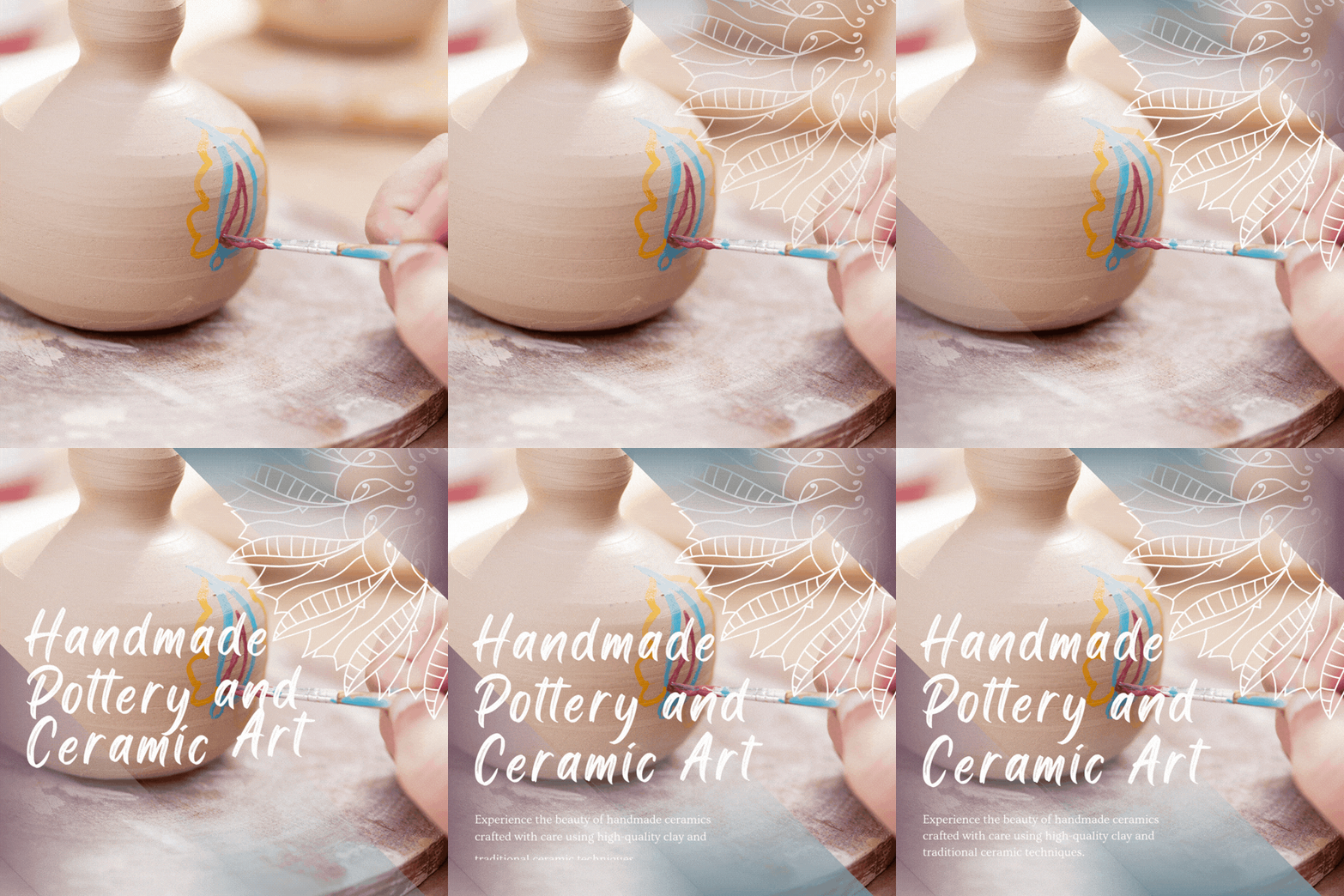
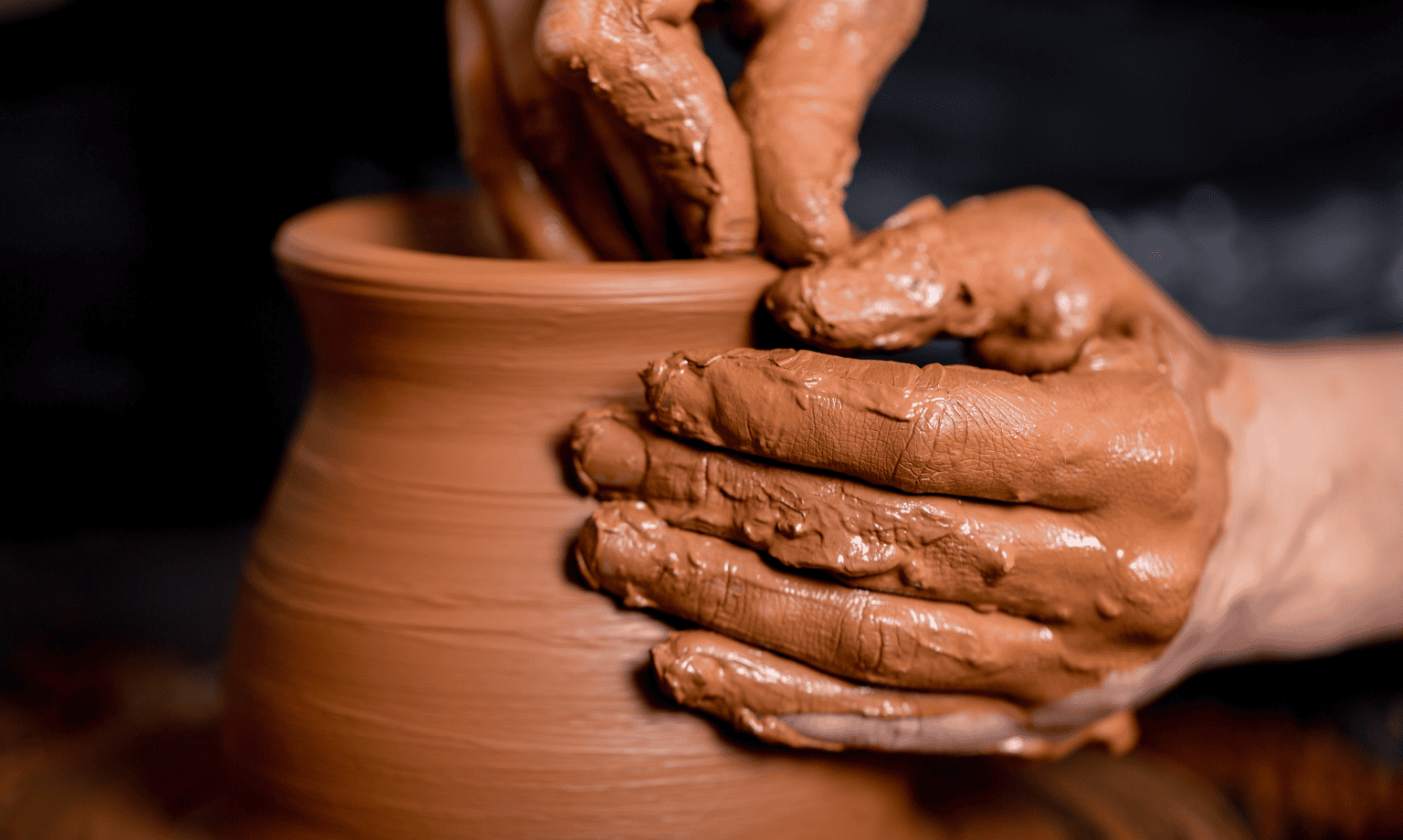
A beautifully crafted bowl can be much more than a simple container for food. In Moroccan craftsmanship, the shape, colors, glaze, and painted details can transform an everyday object into something with real artistic character. Each handmade piece may have subtle differences that reflect the work of the artisan behind it.
Moroccan tableware is especially appreciated for its combination of practical design and decorative beauty. From the traditional workshops of Safi to contemporary studios, artisans continue to create pieces inspired by the country’s rich ceramic heritage.
Whether you are looking for something to use at the dining table, an accent for your home, or a handcrafted gift, Moroccan pottery offers many possibilities.
A ceramic bowl is a vessel made from clay or other ceramic materials that has been shaped and fired at high temperatures. Depending on its construction, glaze, and intended purpose, it can be used for serving food, decoration, collecting, or displaying as an artistic object.
Handcrafted pottery often has small variations in its appearance. You may notice differences in shape, brushwork, thickness, or glaze from one item to another. These details are not necessarily imperfections. They can be evidence that the piece has received individual attention during production.
A Moroccan bowl may be:
Hand-painted
Glazed or unglazed
Decorative or functional
Made on a pottery wheel
Shaped using hand-building techniques
Inspired by traditional Moroccan patterns
The production method and intended use are important factors to consider when choosing a piece.
Although the words pottery and ceramics are often used together, they do not mean exactly the same thing.
Pottery generally describes objects made from clay and fired in a kiln, while ceramics is a broader category that includes pottery and other products made from fired ceramic materials.
For shoppers, the distinction is usually less important than understanding how an item was produced, whether it is suitable for food, and how it should be maintained.
Moroccan pottery has developed through generations of craftsmanship. Clay vessels were traditionally used for practical household activities such as cooking, serving meals, storing ingredients, and carrying water.
Over time, artisans introduced increasingly elaborate decorative techniques. Everyday objects began to feature painted patterns, colored glazes, geometric forms, and other artistic elements.
Moroccan decorative arts were also influenced by the country’s long history of Islamic art and architecture. Geometric compositions, stylized floral motifs, repetition, symmetry, and carefully balanced patterns became important features of many traditional crafts.
Historically, clay vessels could be used for:
Preparing meals
Serving food
Storing ingredients
Carrying water
Decorating homes
Today, pottery continues to have practical uses, but it is also valued as an element of interior design. A handcrafted piece can sit comfortably alongside both traditional Moroccan furniture and contemporary décor.
As pottery techniques evolved, artisans experimented with different shapes, colors, surface treatments, and firing methods.
This experimentation helped create a wide variety of regional styles. Some pieces remain strongly connected to traditional forms, while others combine Moroccan influences with modern design.
This combination of heritage and innovation is one of the reasons Moroccan ceramics continue to attract collectors, interior designers, and people looking for distinctive handmade tableware.
When exploring Moroccan pottery, Safi deserves particular attention. The city has a long-established reputation as one of Morocco’s important pottery centers.
According to UNESCO, Safi is recognized as a Creative City of Crafts and Folk Art, and pottery production remains concentrated around areas such as Potters Hill and Potters Village. The local sector includes numerous workshops and supports a significant community of artisans.
The city’s pottery tradition is associated with several types of products, including:
Painted tableware
Glazed pottery
Traditional plates and bowls
Decorative vessels
Architectural ceramic elements
Handmade objects produced in artisan workshops
Blue and white are strongly associated with Safi’s pottery, although local production includes many other colors, patterns, and styles.
A piece from Safi may feature geometric decoration, floral elements, painted borders, or a glossy surface. Some designs are highly detailed, while others use simpler compositions that allow the form itself to become the main visual feature.
This variety means Safi pottery can work in many different environments. A traditionally decorated item can complement a Moroccan interior, while a simpler design can fit naturally into a modern home.
One of the most attractive aspects of Moroccan pottery is its decoration. Patterns can reflect longstanding artistic traditions while still allowing individual artisans to develop their own interpretations.
Common decorative elements include:
Stars
Diamonds
Circles
Repeating lines
Borders
Symmetrical forms
Geometric decoration can create a strong visual rhythm, particularly when several matching or complementary pieces are displayed together.
Not every Moroccan design is geometric. Some artisans use flowers, leaves, vines, and other natural forms.
These organic motifs can soften stronger geometric compositions and create a more delicate appearance. Depending on the artisan, natural elements may be highly detailed or represented through simple stylized lines.
The colors used in Moroccan pottery can vary according to the region, glaze, firing process, and artistic style.
Popular shades include:
| Color | Visual character |
|---|---|
| Blue | Cool and distinctive |
| Green | Fresh and natural |
| White | Bright and clean |
| Yellow | Warm and energetic |
| Brown | Earthy and rustic |
| Red | Rich and expressive |
It is important not to assume that every color has one fixed cultural meaning. The same shade can appear in different artistic and regional contexts.
If you are searching for handmade Moroccan tableware, explore our collection to discover different combinations of color, texture, shape, and decoration.
A handcrafted piece can be suitable for:
Everyday serving
Moroccan-inspired dining
Fruit and snacks
Table decoration
Shelves and displays
Gifts
Contemporary interior décor
Choose a design according to your personal style, the space where you plan to use it, and whether you want a functional or decorative item.
The finished product represents several stages of careful craftsmanship. Each stage can influence the final appearance and quality.
The process begins with preparing the clay. Depending on the workshop, this may include cleaning, mixing, kneading, and conditioning the material.
The clay needs to reach a suitable consistency before the artisan begins shaping it.
The vessel can be created using a pottery wheel or traditional hand-building methods.
When using a wheel, the artisan must control the movement of the clay while maintaining the desired shape and thickness. Hand-building techniques allow the maker to create different forms without relying entirely on a wheel.
After shaping, the object must dry before it can be fired.
Controlled drying is important because uneven moisture loss can cause cracking, warping, or other structural problems.
Once the basic form has reached the appropriate stage, decorative details can be added.
These may include:
Hand-painted patterns
Geometric motifs
Floral designs
Engraving
Colored decoration
The decoration can be simple and understated or highly detailed, depending on the intended style.
Glaze can provide color, shine, protection, and a smoother surface.
The final appearance may not become clear until after firing because heat can significantly change the color and finish of the glaze.
The piece is placed inside a kiln and exposed to high temperatures.
Firing hardens the clay and helps develop the final ceramic surface. Temperature and firing conditions can have an important effect on the finished result.
After cooling, the artisan checks the item for cracks, glazing problems, structural issues, and decorative quality.
This combination of manual skill and careful inspection is part of what gives handmade pottery its individual character.
Not every bowl is designed for the same purpose. Before making a purchase, think about how you intend to use it.
Serving pieces can be useful for salads, fruit, side dishes, snacks, and shared meals.
Their decorative appearance can also make them suitable for presenting food during gatherings or special occasions.
Some pieces are intended primarily for interior decoration.
You could place one on:
A coffee table
A shelf
A console
A dining table
An entryway
A decorative vessel can become a small focal point without requiring major changes to the rest of the room.
Hand-painted pottery is particularly interesting because small differences may appear between individual items.
Brushwork, line thickness, and pattern placement can vary slightly. For many buyers, these differences add to the charm of artisan-made products.
Contemporary Moroccan-inspired tableware may combine traditional colors or patterns with cleaner shapes.
This approach can make the pieces easier to integrate into modern interiors while retaining a connection to Moroccan craftsmanship.
A well-designed bowl can serve both a practical and decorative purpose.
If the item has been specifically made and glazed for food contact, it can be used for:
Salads
Fruit
Nuts
Desserts
Side dishes
Traditional meals
Always check with the seller or manufacturer before using a decorative piece for food. Not every ceramic product is automatically food-safe.
You can also use handmade pottery purely as decoration.
Try placing it:
In the center of a dining table
On an open shelf
On a coffee table
In an entryway
Beside other Moroccan decorative pieces
You do not need a completely traditional Moroccan home to enjoy handcrafted ceramics.
Try combining colorful pottery with:
Natural wood
Neutral walls
Linen textiles
Minimalist furniture
Contemporary lighting
The contrast between modern furniture and detailed handmade objects can create an attractive focal point.
If you are choosing between artisan-made and industrial products, there are several differences worth considering.
| Feature | Handmade pottery | Mass-produced tableware |
|---|---|---|
| Production | Artisan-focused | Industrial |
| Shape | May contain small variations | Highly consistent |
| Decoration | Often applied by hand | Usually machine-applied |
| Character | Individual | Uniform |
| Production volume | Usually limited | Large |
| Artisan connection | Often stronger | Depends on manufacturer |
Not necessarily.
Minor differences in shape, glaze, or brushwork are common in handmade products. If you purchase something made by an artisan, some individuality should be expected.
However, there is an important difference between natural variation and serious damage.
Large cracks, unstable bases, sharp edges, or badly finished surfaces should be considered quality concerns.
Before buying, think about how you want to use the item.
Ask yourself:
Is it for everyday food?
Is it mainly decorative?
Do you need something for serving?
Are you looking for a collectible?
Does the design match your existing décor?
Answering these questions can make it easier to choose an appropriate size, shape, and style.
Look for:
A stable base
Smooth edges
No major cracks
Consistent glazing
Carefully executed decoration
Clear information about the maker or workshop
If you intend to eat from the piece, ask the seller whether it is:
Food-safe
Suitable for hot foods
Dishwasher-safe
Microwave-safe
Do not assume these properties simply because an item is made from ceramic material.
Visiting a pottery shop gives you the opportunity to compare different handmade products in person.
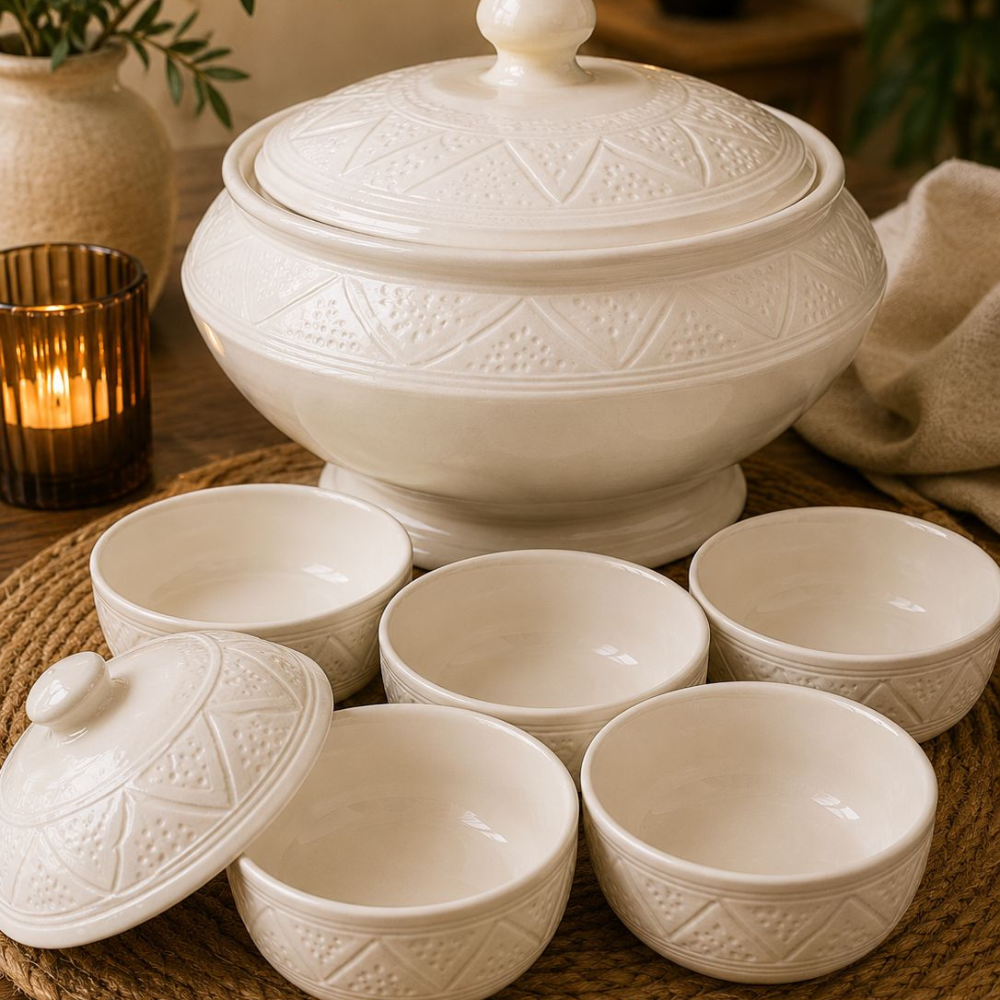
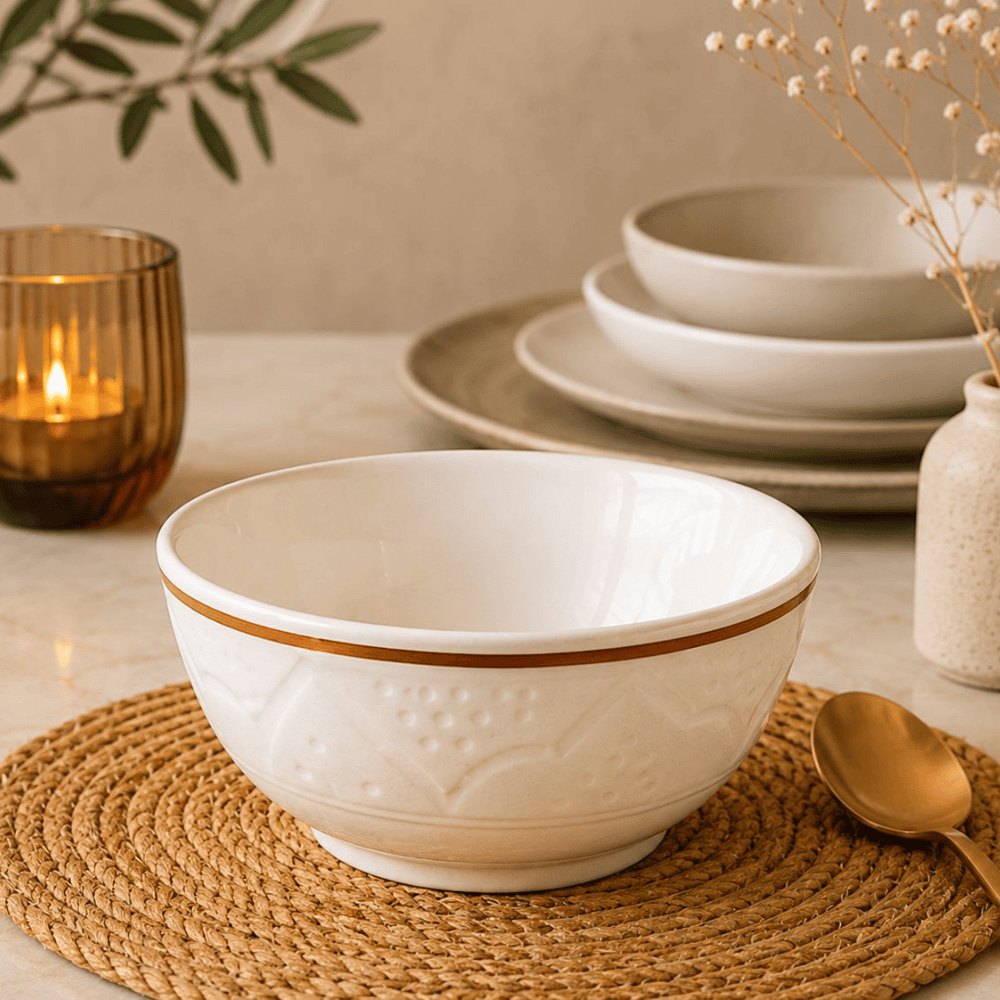
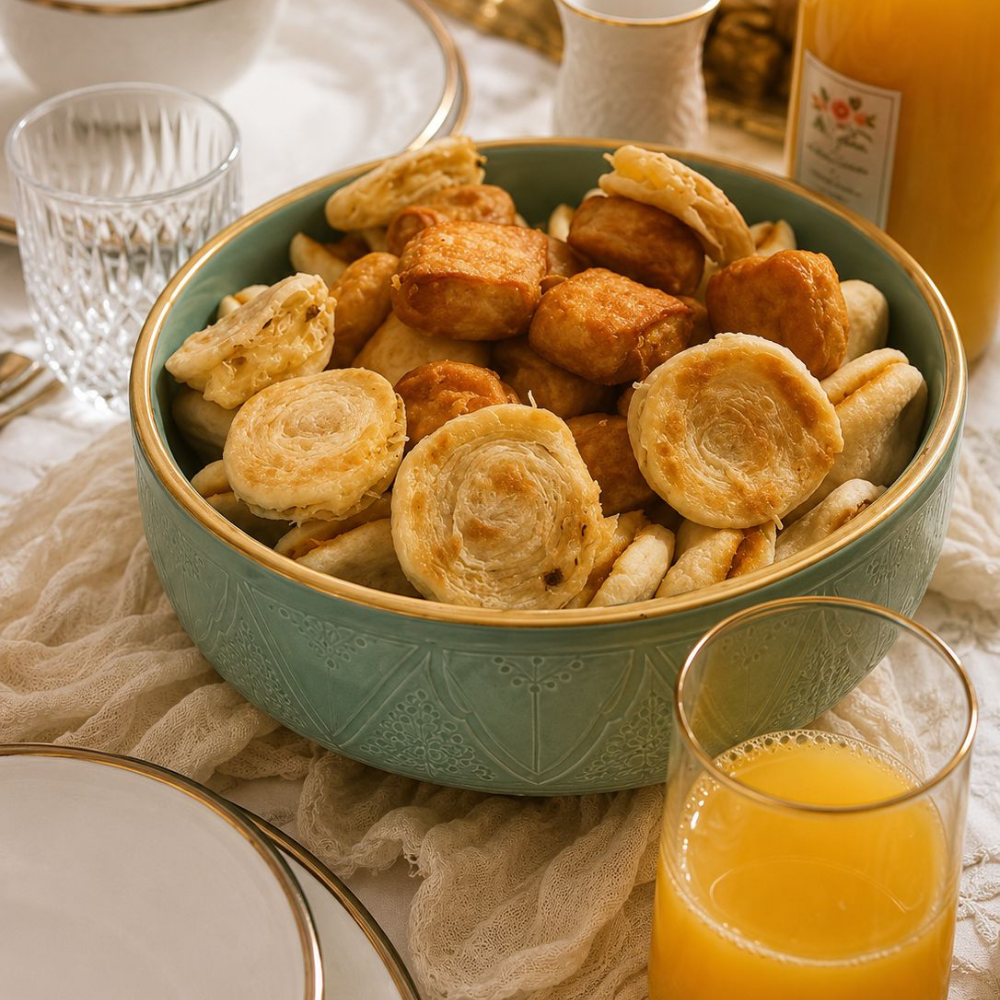
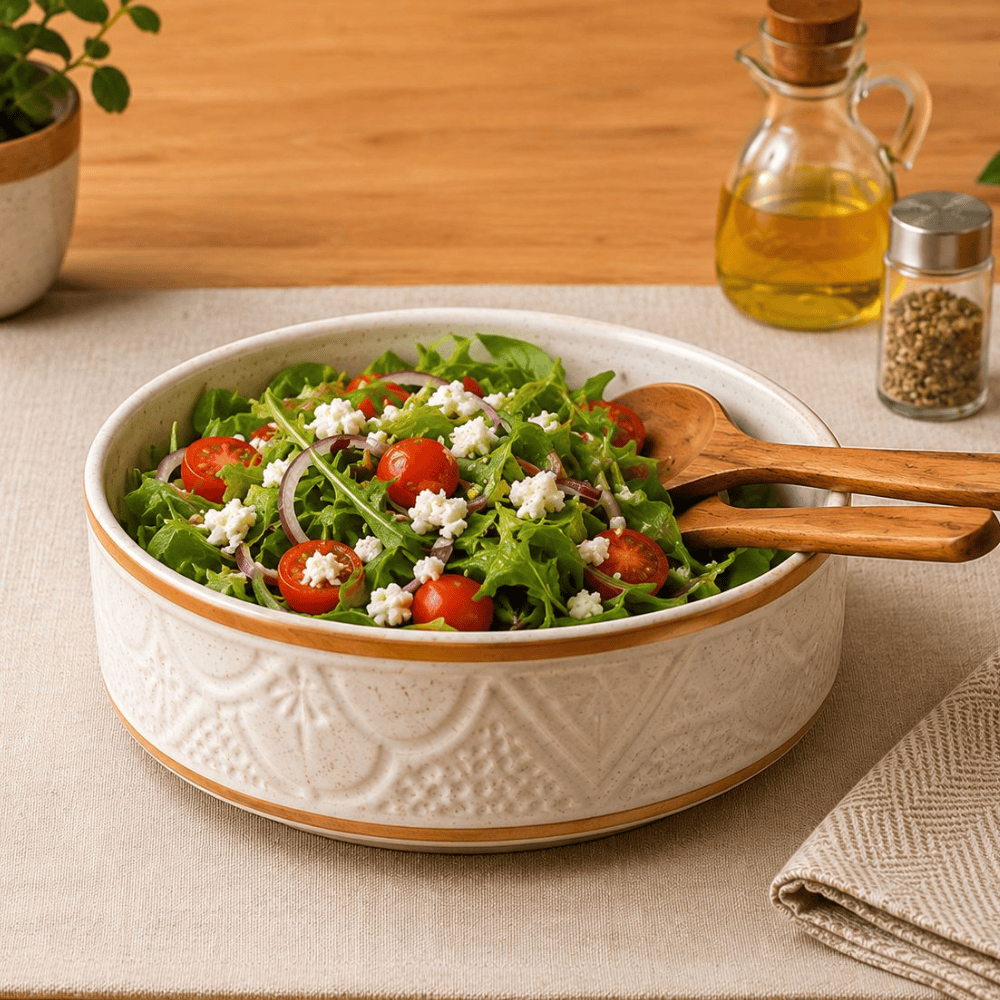
Below, you can discover some of our ceramic products, showcasing a selection of our handmade Moroccan pottery designs.
When purchasing directly from an artisan or specialist retailer, you may be able to learn:
This information can help you understand the product beyond its appearance.
Online shopping can also give you access to a wider selection.
Before placing an order, check:
The more transparent the seller is, the easier it is to make an informed purchase.
Proper care can help preserve both the surface and decorative details.
Always follow the care instructions supplied by the artisan or seller.
Some handmade products may require gentler treatment than factory-produced tableware.
To help protect your pottery:
For particularly delicate or valuable pieces, hand washing may be the safer option.
Some handmade pieces are designed primarily for everyday use, while others are closer to decorative or collectible art.
An object can have artistic value because of its:
A highly decorated piece can therefore function as both a useful household object and an example of ceramic art.
Modern artisans can reinterpret traditional Moroccan patterns rather than simply reproducing historical designs.
You may see familiar geometric motifs combined with:
This approach allows Moroccan ceramic traditions to continue developing while maintaining a connection with their heritage.
It is a bowl made from clay or another ceramic material that has been shaped and fired. Depending on its design, it may be functional, decorative, or both.
Many traditional Moroccan pieces are handmade, although production methods vary between individual artisans, workshops, and manufacturers.
Some pieces are suitable for food contact, but you should confirm this with the seller before using a decorative item for meals.
Safi has a long-established pottery tradition and remains an important center for Moroccan ceramic production. Its workshops are associated with painted and glazed pottery, including distinctive tableware and decorative pieces.
Follow the care instructions provided by the artisan or seller. Do not automatically assume that every handmade product is dishwasher- or microwave-safe.
You can find handmade pieces through artisan workshops, traditional markets, specialist stores, pottery shops, and reputable online retailers.
Small differences in shape, glaze, and painted decoration can be consistent with handmade production. However, these characteristics alone do not prove authenticity. Asking about the origin and production process can provide more useful information.
A handcrafted bowl can be a practical serving object, a decorative accent, or a small expression of Moroccan artistic heritage.
The beauty of handmade pottery often comes from the details: the shape formed by the artisan, the brushwork, the glaze, and the subtle differences that make one piece distinct from another.
From the historic workshops of Safi to contemporary Moroccan studios, this craft continues to connect practical objects with artistic expression.
If you want to introduce Moroccan character into your home, explore our handmade collection and choose a design that suits your space, lifestyle, and personal taste.