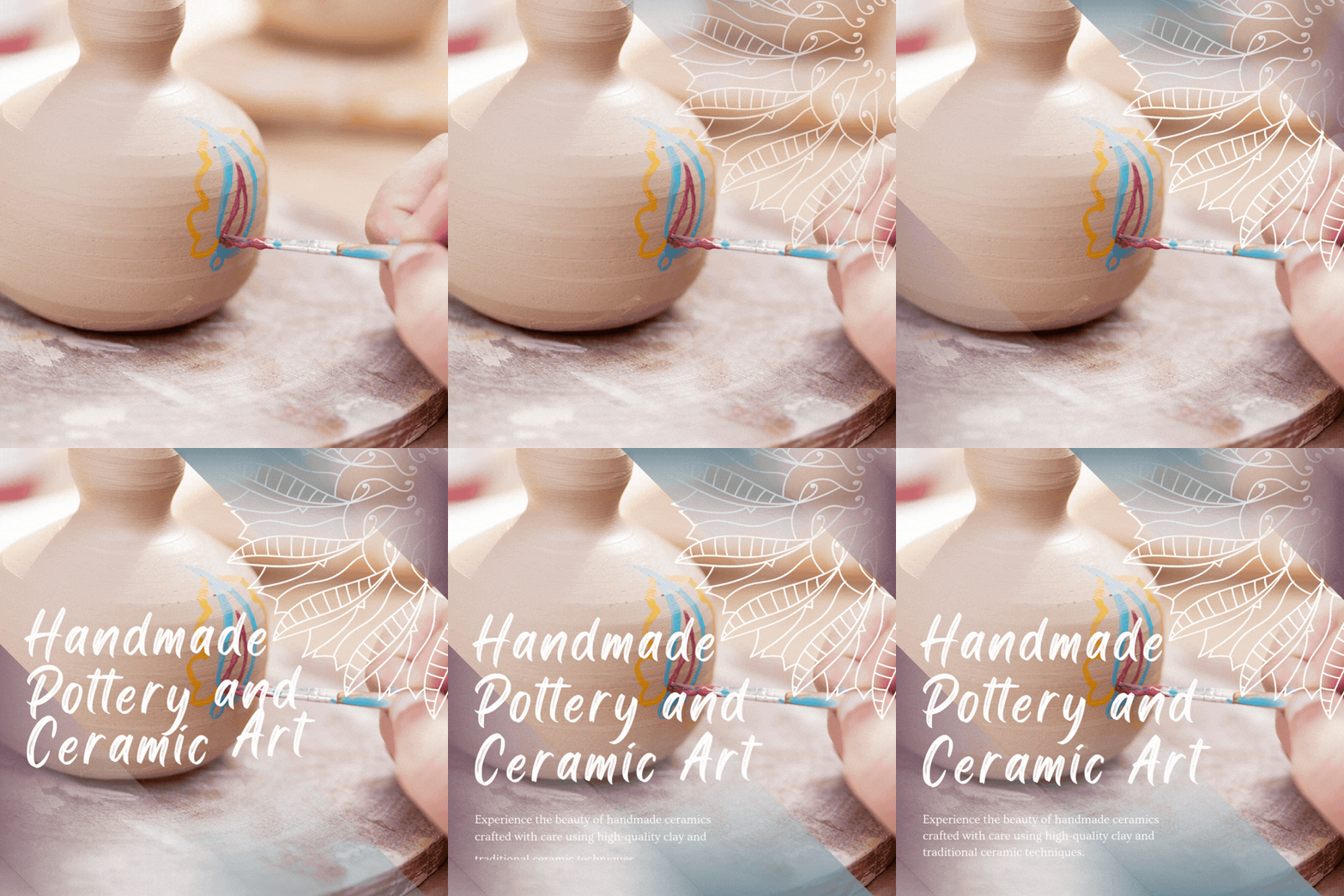
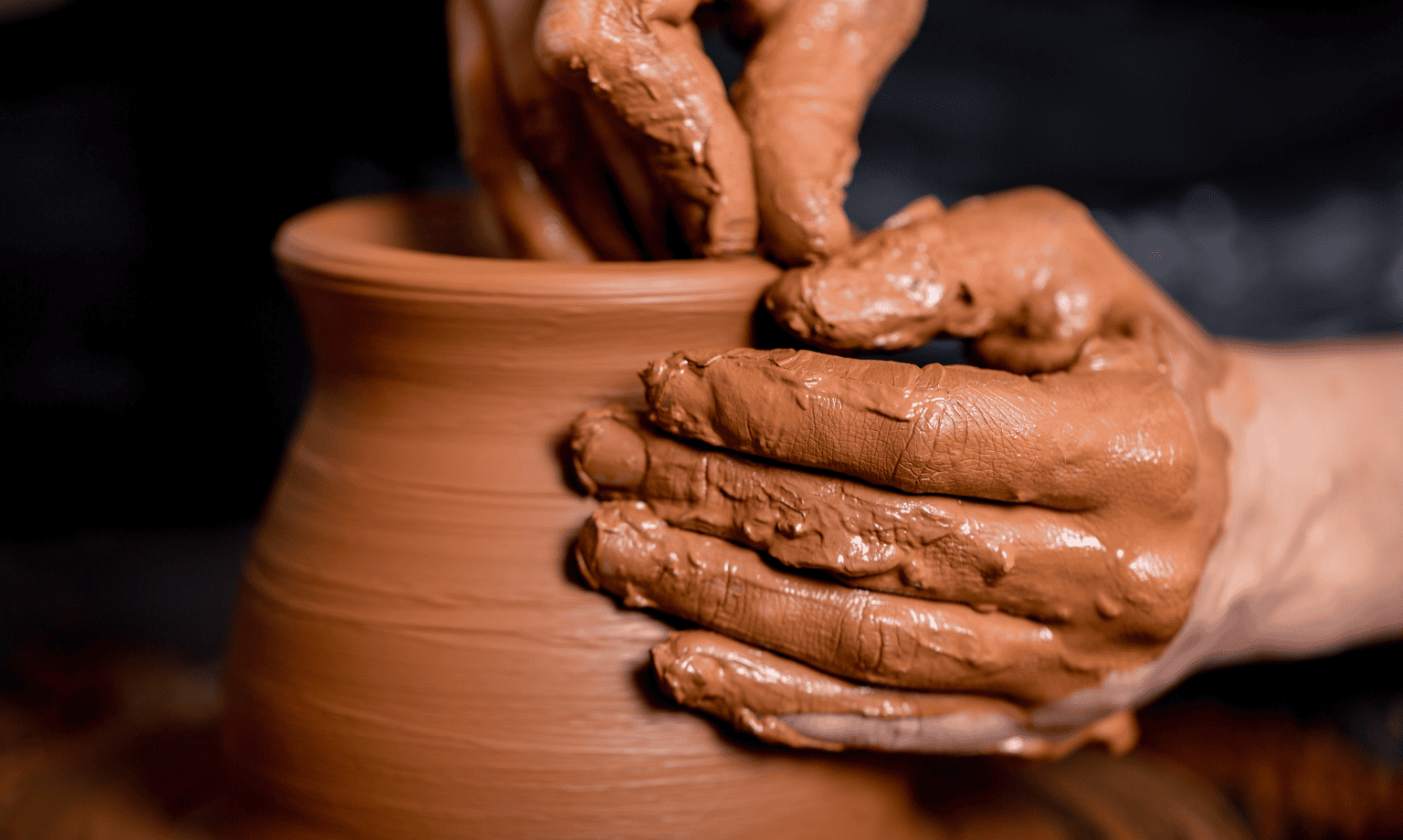
If you have ever held a handmade Moroccan bowl and noticed that no two pieces look exactly alike, you have already experienced something special about Moroccan craftsmanship. A brushstroke may be slightly different, a pattern may have its own character, or the shape may carry small signs of the artisan who made it.
The Marrakech Safi region gives you an opportunity to discover this tradition from several different angles. From the renowned ceramic workshops of Safi to the artisan markets of Marrakech, pottery remains closely connected to Moroccan culture, everyday life, and artistic expression.
When you explore this region, you are not simply looking for a beautiful object. You are discovering the people, techniques, materials, and traditions behind it.
The Marrakech-Safi region brings together diverse landscapes, communities, and craft traditions. Among its best-known craft centers, Safi has a particularly strong reputation for ceramics and pottery.
Safi’s ceramic tradition has developed around skilled artisans who work with clay and use techniques passed from one generation to another. The city is especially associated with decorated ceramics, making it an important destination if you want to understand Moroccan pottery beyond its role as a souvenir.
The region’s craft heritage is supported by several elements:
Generations of artisan knowledge
Local craft workshops and cooperatives
Traditional decorative patterns
Demand from Moroccan and international customers
Cultural tourism
The continued use of pottery in Moroccan homes and restaurants
For you as a visitor or pottery enthusiast, this means you can see how a traditional craft remains relevant while adapting to contemporary tastes.
Safi pottery is widely recognized for its decorative character. Artisans can transform ordinary clay into plates, bowls, vases, serving pieces, tiles, and decorative objects.
The production process requires patience. Before you see the finished piece, the clay must be prepared, shaped, dried, decorated, glazed when applicable, and fired.
This combination of technical knowledge and artistic judgment is what gives Safi ceramics their distinctive appeal.
When you search for safi ceramic, you will find a craft tradition strongly connected with painted and glazed pottery. The visual identity can include geometric compositions, floral-inspired details, repeated motifs, and colors associated with Moroccan decorative arts.
One of the most interesting aspects is that handmade production allows each object to have its own character.
Several characteristics can help you recognize the regional style:
| Feature | Safi Ceramics |
|---|---|
| Craftsmanship | Strong artisan tradition |
| Decoration | Painted and geometric motifs |
| Products | Bowls, plates, vases, serving pieces and decorative objects |
| Production | Handmade and workshop-based methods |
| Uses | Decorative, household, hospitality and culinary purposes |
| Identity | Closely associated with Safi’s ceramic heritage |
You should also remember that Moroccan pottery is not uniform. Techniques, colors, shapes, and decoration can change significantly from one region to another.
Look closely at a handmade piece and you may notice:
Geometric shapes
Repeated lines and symbols
Floral motifs
Symmetrical compositions
Hand-painted details
Contrasting colors
Glazed surfaces
These details make ceramic objects more than functional household products. They can also become expressions of local artistic identity.
While Safi is strongly associated with ceramics, Marrakech pottery forms part of a much wider artisan culture.
If you walk through Marrakech’s traditional markets, you encounter pottery alongside leatherwork, metalwork, textiles, woodwork, and other Moroccan crafts. This creates an environment where ceramics are connected to interior design, hospitality, tourism, and everyday Moroccan life.
You can find pottery used for:
Serving food
Decorating homes
Presenting traditional dishes
Hotels and riads
Restaurants
Gifts and souvenirs
Contemporary interior decoration
Marrakech’s international tourism also gives artisans an opportunity to introduce Moroccan designs to visitors from around the world.
Buying pottery lets you take home a finished product, but taking a pottery class Marrakech experience gives you a different perspective.
When you work with clay yourself, you quickly understand that creating a balanced vessel requires more skill than it appears.
A typical workshop may introduce you to:
Preparing and handling clay
Basic shaping techniques
Working with a pottery wheel or hand-building methods
Simple decoration
Drying and firing
Finishing the completed object
The exact activities depend on the workshop, so you should check what is included before booking.
For travelers, this type of experience can be particularly valuable because you leave with a better appreciation for the time and skill involved in handmade Moroccan ceramics.
One of the most important things to understand about Moroccan pottery is its regional diversity.
Safi, Marrakech, Fes, and Tamegroute do not represent exactly the same ceramic tradition. Each area has developed recognizable techniques and aesthetics influenced by local history, materials, artisans, and cultural exchange.
| Region | Ceramic Identity |
|---|---|
| Safi | Strong tradition of painted and decorated ceramics |
| Marrakech | Broad artisan market with pottery and decorative crafts |
| Fes | Well-known tradition of refined ceramic decoration |
| Tamegroute | Distinctive pottery and characteristic glazed finishes |
This diversity is one reason Morocco is such an interesting destination for anyone interested in ceramics.
When comparing regional pottery, avoid looking for a single definition of “authentic Moroccan pottery.” Authenticity can appear in many forms.
A Safi plate may look completely different from a piece made in Tamegroute, yet both can represent genuine Moroccan craftsmanship.
The better approach is to learn about the place where the object was produced and understand the techniques behind it.
The world of cerame is not frozen in the past. Moroccan artisans and designers continue to adapt traditional techniques for modern customers.
You can now find pieces that combine traditional Moroccan decoration with contemporary shapes and minimalist interiors.
Modern ceramic products can include:
Decorative wall pieces
Contemporary bowls
Modern vases
Restaurant tableware
Serving dishes
Decorative plates
Custom-designed ceramic objects
This evolution allows traditional skills to remain commercially relevant while giving designers room to experiment.
You may notice Moroccan ceramic motifs appearing in modern homes, restaurants, boutique hotels, and riads.
The attraction is easy to understand: traditional patterns provide visual character, while contemporary shapes make the pieces easier to integrate into modern spaces.
For you, this creates more choices. You can choose a highly traditional object or look for something that combines Moroccan inspiration with a modern design.
Few Moroccan ceramic objects are as recognizable as tajine pottery.
A traditional tajine consists of a base and a distinctive conical lid. Its design is closely connected to Moroccan cuisine, where tajines are used to prepare and serve slow-cooked dishes.
However, you should distinguish between tajines designed for cooking and those produced primarily as decorative objects.
Although techniques differ between workshops, the general process can involve:
Selecting and preparing clay
Shaping the base
Forming the lid
Allowing the pieces to dry
Decorating or glazing them
Firing them in a kiln
Inspecting the finished product
If you intend to cook with a ceramic tajine, ask the seller whether the specific piece is designed for cooking and suitable for the type of heat you plan to use.
The journey from raw clay to finished ceramic requires several stages.
The clay must be prepared to achieve a workable consistency. Artisans remove unwanted material and control the moisture before shaping begins.
Depending on the product and workshop, artisans may use hand-building, a pottery wheel, molds, or a combination of techniques.
Drying needs to be controlled carefully. If moisture leaves the clay too quickly or unevenly, cracks or deformation can occur.
Once the piece reaches the appropriate stage, artisans can apply patterns, paint, engraving, or glaze depending on the intended finish.
Firing transforms the shaped clay into a durable ceramic material. Kiln conditions vary according to the clay body, glaze, and production method.
The finished object is checked for cracks, defects, uneven decoration, glaze problems, and other imperfections before it reaches the customer.
Behind every handmade object is an artisan whose skills have usually developed through practice and experience.
This human element is important when you buy Safi Morocco pottery. Small variations should not automatically be treated as flaws. In many handmade pieces, those variations are evidence that the object was individually crafted rather than produced as an identical factory item.
When you buy directly from a workshop or reputable artisan business, you can also ask questions about the materials, production process, and intended use of the piece.
If you are planning a visit, maps Safi searches can help you identify pottery workshops, artisan cooperatives, ceramic stores, and other craft-related locations.
Before visiting a workshop, consider checking:
Current opening hours
Customer reviews
Exact location
Whether the workshop is open to visitors
Available products
Whether demonstrations or classes are offered
You can also compare several businesses rather than buying the first piece you see.
Try to:
Ask whether the product is handmade.
Ask where it was produced.
Learn whether it is decorative or functional.
Check whether food contact is appropriate.
Ask about cooking or heat resistance when relevant.
Look carefully at the glaze and finish.
Compare prices and craftsmanship between different sellers.
You do not need to be a ceramic expert to make a good purchase.
Look for signs such as:
Small variations in shape
Individual brushwork
Distinctive decorative details
Evidence of artisan finishing
Clear information about origin
A seller who can explain how the item was made
Most importantly, ask questions. A knowledgeable seller should be able to tell you whether the piece was made locally, whether it is handmade, and how it should be used and maintained.
The future of regional pottery depends partly on keeping traditional skills relevant to new generations.
Tourism remains one avenue, but digital commerce also gives artisans new possibilities. A workshop can potentially reach customers far beyond its local market through professional photography, online stores, social media, and clear storytelling about its products.
For traditional pottery to remain successful, artisans need both heritage and adaptability.
The strongest future may therefore come from combining:
Traditional knowledge
Contemporary design
Artisan training
Cultural tourism
E-commerce
International demand
Better digital visibility
Whether you are a traveler, collector, designer, or simply someone looking for a meaningful Moroccan gift, exploring the region’s pottery can give you much more than a shopping experience.
You can:
Discover regional craftsmanship.
Meet artisans and learn about their work.
Compare different Moroccan ceramic traditions.
Experience pottery workshops.
Find unique handmade objects.
Understand the cultural meaning behind everyday products.
Support local craft businesses.
The region is home to diverse craft traditions, while Safi has a particularly strong reputation for ceramic production and decorated pottery. Marrakech is also an important destination for discovering Moroccan artisan crafts.
Safi has a long-established artisan ceramic tradition and is especially associated with decorated pottery, painted designs, and workshop-based production.
Its decorative character and strong association with painted ceramics help distinguish Safi’s ceramic tradition, although styles can vary considerably between individual artisans and workshops.
You can look for artisan workshops, cooperatives, pottery stores, traditional markets, and reputable online sellers. If authenticity matters to you, ask about the item’s origin and production method.
Yes, pottery workshops are available in Marrakech, although the activities, duration, equipment, and finished products vary between providers. Always check the workshop details before booking.
Traditional tajine vessels can be used to prepare and serve Moroccan dishes. Decorative versions may be intended only for display, so you should confirm the intended use before cooking with one.
Look at the craftsmanship, decoration, finishing, provenance, and the information provided by the seller. Handmade objects often show subtle variations that distinguish them from mass-produced products.
The pottery heritage of Marrakech Safi is best understood through the people who continue to practice it.
From the decorated ceramics of Safi to the artisan culture of Marrakech, pottery connects traditional knowledge with contemporary life. A ceramic bowl can become part of your home, a tajine can become part of a meal, and a handmade decorative piece can preserve the memory of a journey.
If you have the opportunity to visit the region, go beyond simply buying a finished product. Visit workshops, speak with artisans, take a pottery class, compare regional styles, and learn how clay becomes ceramic.
When you choose a handmade piece, you are not just purchasing an object. You are taking home a small part of Morocco’s living craft heritage.
Explore Safi pottery, discover Moroccan ceramics, and experience the craftsmanship that makes the Marrakech-Safi region such a remarkable part of Morocco’s cultural landscape.