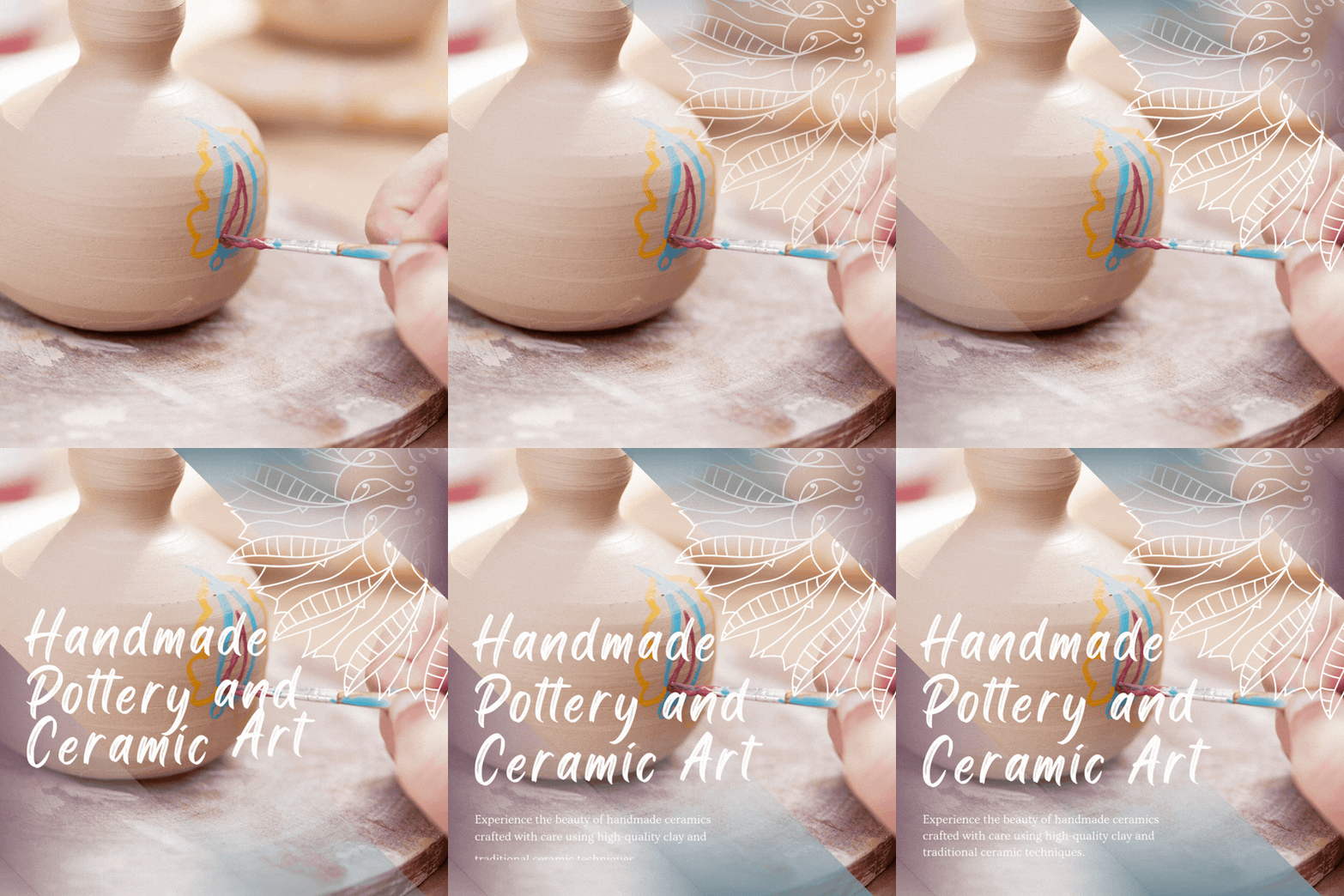
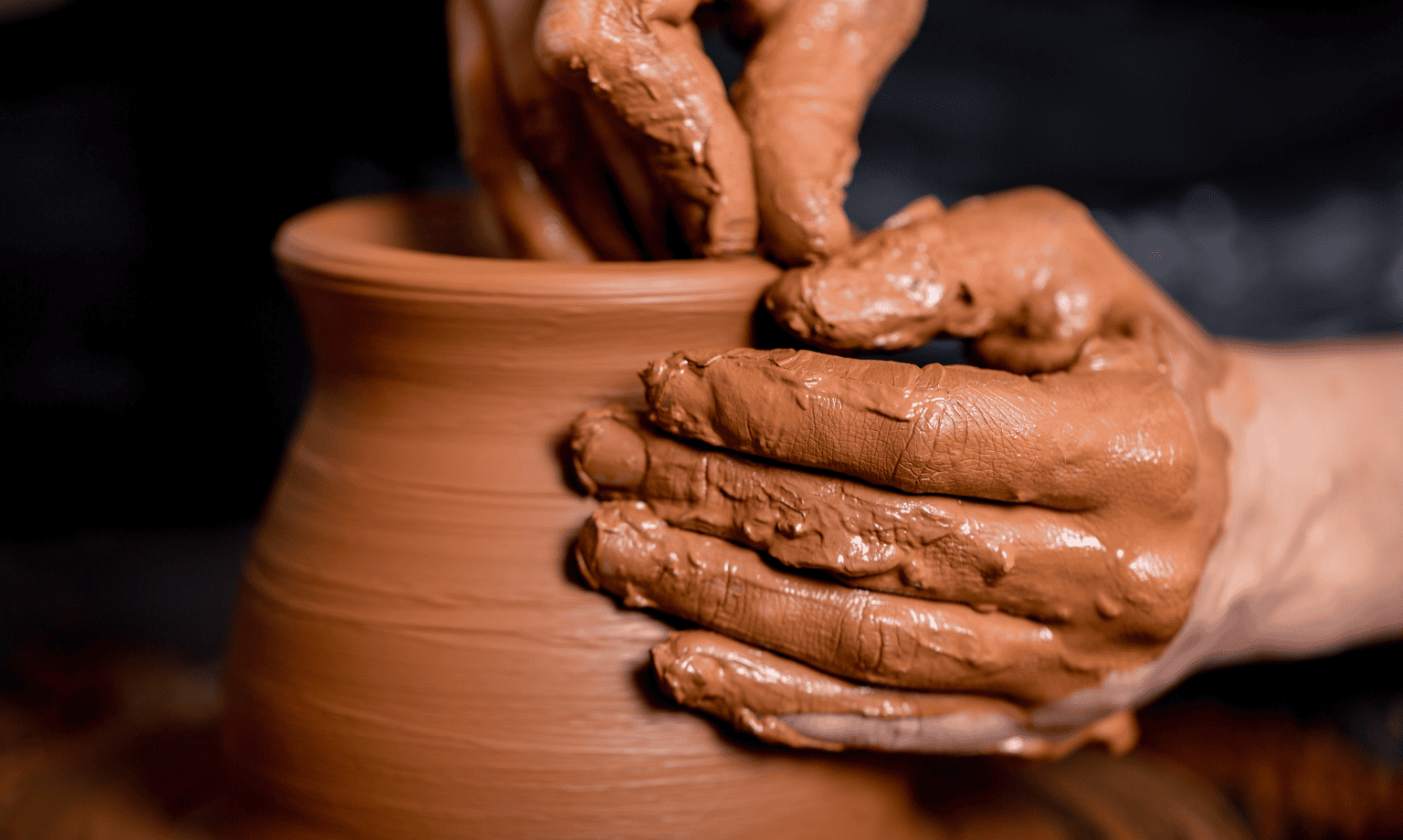
When you visit Safi, you do not have to look far to discover pottery. Walk through the city’s traditional craft areas and you will find clay being shaped, painted, glazed, and fired into objects that can be both practical and artistic. Bowls, plates, tajines, vases, and decorative pieces reveal a tradition that has become closely connected with the identity of the city.
But why did Safi become known as Morocco’s city of pottery?
The answer lies in a combination of history, local resources, skilled artisans, cultural exchange, and generations of ceramic knowledge. Safi pottery is not simply a product you can take home as a souvenir. It represents a living craft tradition that connects you with the people, materials, and history of one of Morocco’s most important ceramic centers.
If you want to understand safi morocco pottery, you need to look beyond the finished ceramic. You need to discover how the craft developed, why artisans continued practicing it, and what makes Safi ceramics different from other Moroccan pottery traditions.
Safi has earned its reputation as one of Morocco’s major pottery and ceramic centers through a combination of historical continuity and a concentrated artisan community.
The city is particularly associated with its pottery quarter, where workshops bring together potters, decorators, and ceramic specialists. Morocco’s official tourism information presents Safi as one of the country’s major ceramic destinations, while UNESCO recognizes pottery as an important part of Safi’s creative and cultural identity.
You can understand Safi’s reputation through several important factors:
A long-established pottery tradition
Access to suitable clay and ceramic materials
Specialized artisan workshops
Knowledge passed from generation to generation
Distinctive decorative styles
A historic connection with trade and cultural exchange
Continued demand from local and international visitors
This combination allowed pottery to become more than a household craft. It became an important part of Safi’s cultural and economic character.
The history of ceramics in Safi reaches deep into Morocco’s past. Archaeological research has identified evidence of ceramic production in the region going back to at least the medieval period, including material associated with the Almoravid era.
This long history does not mean that modern potters work exactly as artisans did hundreds of years ago. Pottery techniques naturally change over time. Kilns become more efficient, tools evolve, and customer preferences influence shapes and decoration.
What remains important is the transmission of specialized knowledge.
A young apprentice can learn how to prepare clay, control moisture, shape a vessel, recognize drying problems, apply glaze, and understand firing from someone with many years of experience. Over time, that knowledge becomes part of the workshop culture.
This continuity helps explain why safi pottery remains strongly associated with the city.
Safi’s position on Morocco’s Atlantic coast also contributed to its development as a major cultural and commercial center.
Historically, the city was connected to maritime trade and interacted with different communities and cultures. This created opportunities for the exchange of products, ideas, techniques, and artistic influences.
You can see why this matters when you consider pottery. Ceramic traditions rarely develop completely independently. Designs, decorative ideas, production methods, and consumer tastes can travel between regions.
Safi’s position therefore provided an environment where craftsmanship could develop alongside commerce.
Its pottery tradition became part of a broader urban economy involving artisans, traders, markets, and visitors.
When you compare safi ceramics with pottery from other Moroccan regions, you may notice a strong emphasis on decorative ceramic work.
Safi is particularly recognized for glazed and painted pottery, with blue-and-white decoration being strongly associated with its ceramic identity. Geometric forms, floral elements, repeated motifs, and carefully painted details can appear across different pieces.
However, you should not expect every Safi ceramic to look identical.
Different workshops may use different shapes, colors, patterns, and finishing techniques. Contemporary artisans can also combine traditional decoration with modern designs.
This variety is part of what makes handmade ceramics interesting.
A finished ceramic object can hide a surprisingly long production process.
Depending on the workshop and product, the basic stages can include:
Preparing the clay – The raw material is cleaned and prepared for shaping.
Forming the object – The artisan uses a wheel, molds, or hand-building techniques.
Drying – The piece must dry sufficiently before firing.
Initial firing – Heat transforms the shaped clay into a durable ceramic body.
Glazing – A glaze can provide color, protection, and a characteristic surface.
Decoration – Artisans add painted or carved details.
Final firing – Heat fixes the glaze and completes the ceramic.
The exact process varies between workshops and types of pottery.
That variation is worth remembering when you buy Safi pottery. Small differences in shape, brushwork, texture, and glaze can be signs of handmade production rather than defects.
The term Safi Fakhar is closely connected with the pottery culture of the city. In Moroccan usage, fakhar refers to pottery or earthenware, making it a useful term when discussing traditional pottery production.
When you explore a pottery workshop, you can often see how much work exists behind the final product.
You may encounter:
Clay waiting to be prepared
Recently shaped vessels
Pieces drying before firing
Glazing and painting areas
Kilns used for firing
Finished ceramic products ready for sale
For you as a visitor, seeing this process changes the way you look at a ceramic bowl or plate. Instead of seeing only an attractive object, you begin to recognize the labor and knowledge behind it.
The story of Safi ceramics is ultimately a story about people.
Pottery traditions survive because artisans continue practicing them. Skills such as shaping clay, controlling thickness, applying decoration, and managing firing temperatures require experience that cannot always be learned from a written instruction.
In many traditional crafts, knowledge is transmitted through observation and practice.
An apprentice can spend years watching an experienced artisan before becoming confident enough to work independently. That process helps preserve techniques while still allowing new generations to develop their own artistic approaches.
Supporting local workshops can therefore have cultural importance. When you purchase a locally made ceramic piece, you contribute to demand for the craft and help keep artisan production economically viable.
Moroccan pottery has traditionally served practical purposes as well as decorative ones.
Ceramic objects can be used for:
Serving food
Preparing traditional dishes
Storing ingredients
Presenting meals
Decorating homes
Creating special dining settings
Tajines are perhaps the most recognizable example of Moroccan ceramic cookware, while bowls, plates, trays, and other vessels can combine everyday usefulness with decoration.
This connection between function and beauty is one reason Moroccan pottery remains relevant today.
You do not necessarily have to display a ceramic piece behind glass. A handmade bowl or serving dish can become part of your everyday dining experience.
Morocco has several important pottery traditions, and each region has developed its own visual and technical characteristics.
| Pottery Center | Common Characteristics | Cultural Identity |
|---|---|---|
| Safi | Glazed, painted and decorative ceramics | Major Moroccan ceramic center |
| Fez | Intricate geometric ceramic decoration and zellige traditions | Historic urban craftsmanship |
| Tamegroute | Earthy pottery and distinctive green glazing | Southern Moroccan craft heritage |
| Rural pottery regions | Simpler forms and locally influenced decoration | Community-based traditions |
This comparison does not mean that every piece from one region follows a fixed style. Moroccan pottery is diverse, and individual workshops can experiment with different forms and techniques.
What makes Safi particularly important is the city’s concentrated ceramic workshop culture and its long association with pottery production.
If you want to experience the craft rather than simply purchase a finished object, visiting a pottery workshop can be especially rewarding.
When you explore a workshop, pay attention to the production process.
You can:
Watch artisans shape clay.
Observe pieces before and after firing.
Ask how the glaze is applied.
Compare hand-painted patterns.
Learn where the clay comes from.
Ask whether a piece was produced locally.
Examine the finish before purchasing.
You may also find a wide variety of products, including ceramic bowls, plates, tajines, vases, trays, and decorative objects.
Before buying, take a few moments to examine the object.
Look at:
The consistency of the glaze.
The quality of painted details.
The stability of the shape.
The condition of the ceramic surface.
Any visible cracks or structural damage.
Whether the piece is intended for food use.
The care instructions provided by the seller.
If you are looking specifically for authentic local craftsmanship, ask the seller about the workshop and production process instead of relying only on appearance.
Traditional crafts face pressure from inexpensive mass-produced alternatives. A factory-made object can often be produced much faster than a handmade ceramic piece.
That makes the continued existence of Safi’s artisan workshops especially significant.
When traditional pottery remains commercially valuable, younger artisans have a stronger reason to learn the craft. Visitors also play a role by creating demand for authentic locally made products.
Responsible tourism can support this process by encouraging you to:
Buy directly from reputable local artisans.
Ask questions about how products are made.
Value craftsmanship rather than only price.
Avoid assuming every Moroccan-style ceramic is locally handmade.
Share the story of the craft with others.
In this way, purchasing a ceramic object can become more meaningful than buying a generic souvenir.
There is no single reason why Safi became Morocco’s city of pottery. Its reputation developed through several connected factors.
First, pottery has deep historical roots in the region.
Second, local materials provided an important foundation for ceramic production.
Third, skilled artisans developed specialized techniques and passed their knowledge through generations.
Fourth, Safi’s position as an Atlantic port encouraged cultural and commercial connections.
Fifth, the city developed concentrated pottery districts and workshops where the craft could continue to grow.
Finally, the continued interest of residents, collectors, travelers, and Moroccan design enthusiasts has helped maintain demand for its ceramics.
Together, these factors transformed pottery from an ordinary craft into an important part of Safi’s identity.
Tradition does not necessarily mean refusing change.
Today, artisans can preserve traditional techniques while experimenting with contemporary forms, colors, and uses. A ceramic workshop can produce objects inspired by historical Moroccan designs while creating pieces suitable for modern kitchens and interiors.
This balance can help Safi pottery remain relevant.
For you as a consumer, it also means you can find ceramics that respect traditional craftsmanship while fitting naturally into a contemporary home.
The future of the craft will depend partly on whether artisans can maintain quality, attract new apprentices, respond to changing markets, and communicate the cultural value of handmade Moroccan ceramics.
Safi pottery refers to ceramic and earthenware products associated with Safi, Morocco. The city’s long-established artisan workshops are particularly known for decorative glazed and painted ceramics.
Safi is famous because pottery has deep historical roots in the city, supported by artisan workshops, specialized ceramic skills, local materials, and a strong cultural connection with ceramics.
Much traditional Safi pottery is produced through handcrafted processes, although techniques can differ between workshops and individual products. Asking the artisan about the production method is the best way to understand what you are buying.
Safi Fakhar refers to Safi’s pottery tradition using the Moroccan term fakhar, which is associated with pottery and earthenware.
Safi ceramics are valued for their craftsmanship, decorative styles, glazing, hand-painted details, and connection to the city’s long ceramic heritage.
You can find ceramic bowls, plates, tajines, vases, trays, decorative objects, and other handmade Moroccan ceramics.
When you look at a finished ceramic piece from Safi, it can be tempting to focus only on its colors and design. But the real story begins much earlier.
It starts with clay, continues through the hands of an artisan, passes through fire, and eventually becomes part of someone’s home.
That is why Safi pottery means more than a collection of ceramic products. It represents generations of knowledge, local craftsmanship, Moroccan artistic traditions, and the continuing relationship between a city and its craft.
If you visit Safi, take time to explore its pottery workshops rather than simply passing through the markets. Talk to artisans, watch how clay becomes a finished object, and choose a piece whose craftsmanship speaks to you.
Explore Safi, discover its ceramic heritage, and experience Moroccan pottery where the tradition is still alive.