Bringing authentic Moroccan style into your home starts with the right pieces. Handmade ceramic art adds a unique touch to your space. It also supports local traditions.
Choosing high-quality pottery means looking for details and the artisan’s touch. Seek out pieces that show real craftsmanship, not mass-produced items. Handmade goods add cultural value and a personal touch to your home.
This guide helps you shop with confidence. We offer tips to find durable, well-made pottery that suits your lifestyle. Learn how to make this timeless ceramic craft a part of your daily life.
Identify the unique characteristics of authentic handmade goods.
Learn how to select durable pieces for everyday home use.
Understand the cultural significance behind local artisan crafts.
Support responsible purchasing habits within the Moroccan market.
Find the perfect balance between decorative appeal and practical function.
When you hold a piece of Moroccan ceramic, you connect with centuries of art. These items are made by hand, not in factories. Each piece has a unique energy, linking your home to North African history.
Tableware made in factories is uniform and made by machines. But pottery celebrates the beauty of being different. You’ll see unique weights, glaze thicknesses, and shapes, showing the artisan’s touch.
These small differences are not flaws but signatures of quality. Handmade items focus on character, not speed. So, your table gets one-of-a-kind treasures, not generic designs.
| Feature | Mass-Produced | Handmade Ceramic |
|---|---|---|
| Production Method | Automated Machinery | Manual Wheel/Hand-Formed |
| Design Consistency | Perfectly Identical | Unique Variations |
| Material Quality | Standardized Industrial Clay | Locally Sourced Natural Clay |
| Artistic Value | Low | High |
Every Moroccan ceramic tells a story. Patterns show geometric and floral designs passed down through families. By using these items, you help keep ancient techniques alive.
These objects are more than useful; they connect us to the land. The clay comes from local areas, tying the pieces to Morocco’s geography. Owning them means you’re part of a living heritage.
Moroccan pottery is special because it’s both beautiful and practical. Whether for cooking or decoration, these items are made to be used. They make everyday meals meaningful experiences.
These durable pieces can handle a busy kitchen. They’re strong, so beauty doesn’t mean sacrificing function. Buying them means enjoying quality craftsmanship every day.
The story of Moroccan pottery is one of clay and fire. It’s shaped by the country’s diverse landscapes and natural resources.
Artisans use clay rich in minerals from valleys and mountains. This clay is key to the unique concept cerame many collectors love.
Workshops near these clay deposits make it easy to get materials. Potters create durable pieces that show off their region’s character.
Traditional pottery is both useful and beautiful in daily life. Items like storage jars and serving platters are common in homes.
The souks are where these items are sold. Here, the ceramique maroc tradition thrives through maker-buyer interactions.
Many workshops are family-run, passed down through generations. They’ve entered the ceramics international market by keeping quality high.
By mixing old techniques with global tastes, families share their heritage worldwide. This growth helps the craft flourish globally.
Today, designers team up with traditional potters to create new designs. This mix brings concept cerame to modern homes while honoring the past.
These partnerships introduce ceramique maroc to new markets. They connect ancient crafts with today’s decor trends.
In a world of mass production, the human touch is valuable. Buyers love the unique flaws that show a piece was made by hand.
Buying handmade supports the ceramics international community. It keeps cultural skills alive. Your purchase honors the artisan’s hard work.
Exploring safi ceramic shows why Safi is key to Morocco’s heritage. This coastal city has been the main place for ceramique maroc for many years. It draws inspiration from the rich clay along the Atlantic coast.
Safi is special in North African crafts. The city’s clay is top-notch, making durable and detailed pieces. This quality, along with passed-down skills, makes safi ceramics a standard in the area.
These ceramics stand out because of the care in making them. You’ll notice a distinctive weight and balance in real pieces. This shows the skill of the potter. These items are not just useful; they are artistic expressions of a long tradition.
Ceramique safi maroc shows a bright mix of cobalt blues, deep greens, and earthy yellows. These colors come from old glazing methods. The patterns often have geometric shapes or detailed flowers, telling stories of local history.
Knowing local terms is key when shopping. Fakhar safi means pottery from this area, and a souk fakhar safi is a market for it. Knowing these terms helps find real regional designs.
Going to a local market lets you meet the makers of ceramique de safi. This connection shows where your item comes from and the hard work behind it. Supporting these artisans keeps the traditional methods alive.
Online, people look for safa ceramic and other terms. But, it’s key to know that safa is often a misspelling. The goal is to find quality, real pottery that brings Morocco’s spirit to your home.
Turning raw earth into beautiful art takes patience and skill. Making ceramic items is a careful process that respects Moroccan traditions.
The journey starts with picking local clay from rivers or special areas. Artisans clean it to get rid of dirt, making it smooth. They then knead the clay to get rid of air bubbles, which helps avoid cracks later.
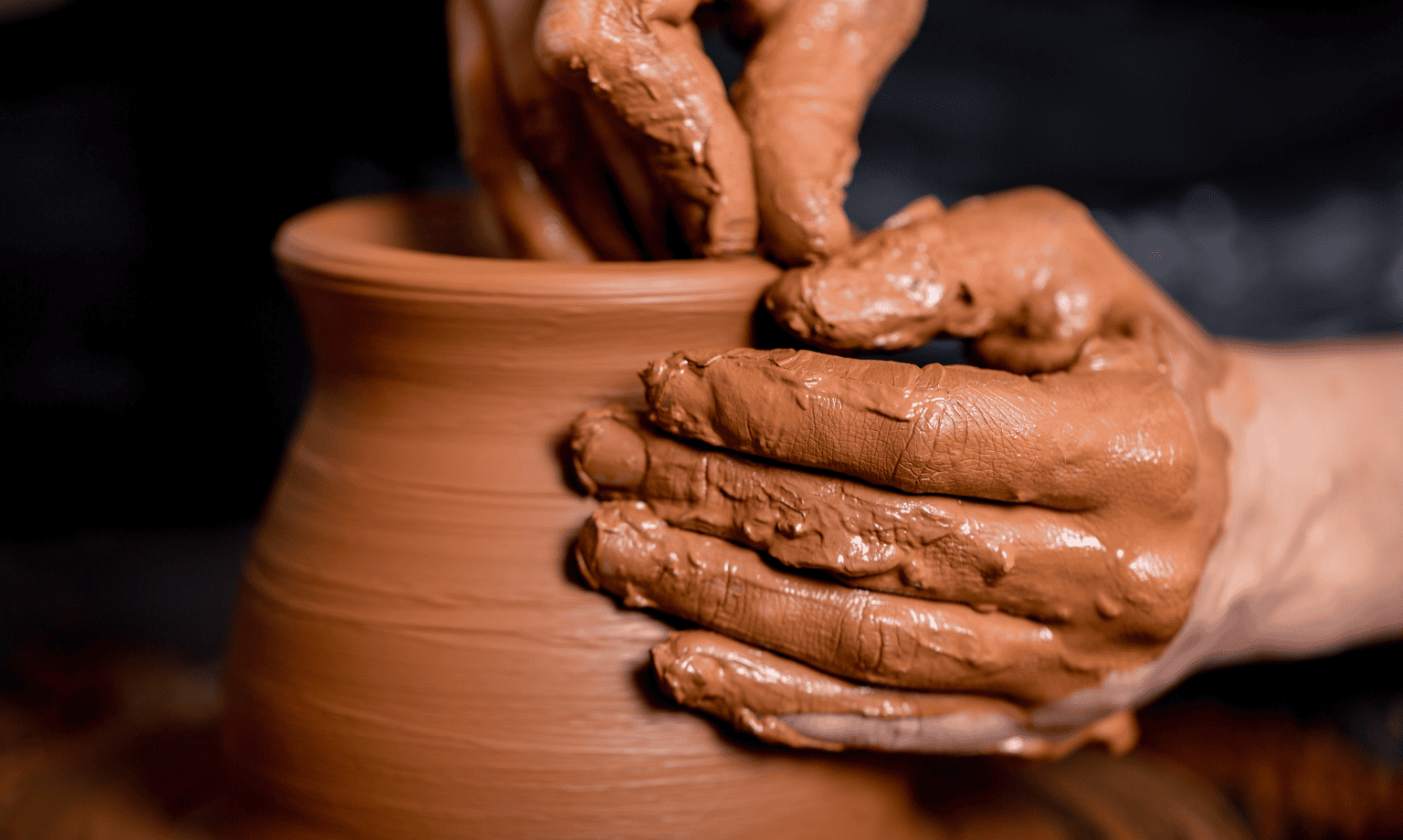
With the clay ready, the shaping begins. Many pieces are made on a potter’s wheel for smooth shapes. For detailed designs, hand-building is used to create unique forms.
After shaping, the pottery dries slowly in the shade to avoid warping. When dry, it’s fired in a kiln at high heat. This makes the clay strong and ready for decoration.
Artisans use colored clay slips called engobes for patterns. Then, they paint with natural colors for designs. A glaze is applied last to protect the piece and make it water-resistant.
You might see small differences in your items. These small variations show they’re truly handmade. Each piece has the maker’s unique touch, making your collection special.
Modern Moroccan workshops mix old methods with quality. They control firing and use top glazes for beauty and durability. This ensures your pieces last long while keeping their cultural value.
Start making your home special with Moroccan art. Choose the right pieces for each room. Handmade ceramic items add history and soul to your space.
Your dining table is the heart of your home. Authentic pottery makes meals special. Traditional tagine dishes are great for cooking and look amazing as centerpieces.
Match these with hand-painted serving plates and bowls. They have beautiful geometric designs that celebrate ceramique safi maroc.
In your living room, use large vessels as focal points. A tall vase or a decorative jar adds height and texture.
These items show the beauty of clay. Choosing artisan-made centerpieces makes your decor personal and unique.
Bring the souks to your walls with decorative tiles and trays. Zellige-style tiles are great for backsplashes or wall accents.
Decorative trays are useful and colorful. They add beauty to coffee tables and organize spaces.
Small ceramic items make great gifts. They include incense holders and trinket dishes, carrying Moroccan charm.
They’re perfect for any occasion, sharing cultural heritage in a small way. The craftsmanship is always appreciated.
Choosing colors depends on your furniture and lighting. Bold, Zellige-inspired colors add energy. Neutral finishes bring calm and sophistication.
| Style Feature | Bold Zellige Colors | Neutral Finishes |
| Visual Impact | High energy and vibrant | Subtle and calming |
| Best Room Use | Kitchens and dining areas | Bedrooms and living rooms |
| Lighting Needs | Bright, natural light | Works in any light |
| Design Vibe | Traditional Moroccan | Modern minimalist |
When you shop for authentic Moroccan crafts, knowing how to evaluate each piece ensures you get lasting value. Selecting the right ceramic item involves looking beyond the surface to understand the craftsmanship behind the object.
Before you purchase, consider exactly how you plan to use the item in your daily life. A large tagine might look beautiful, but ensure it fits your stove or oven dimensions if you intend to cook with it. Functionality should always dictate your choice to avoid buying pieces that only serve as clutter.
Pick up the pottery to feel its balance and weight. A high-quality piece should feel sturdy and sit flat on a level surface without wobbling. Inspect the glaze for even coverage, as cracks or pinholes in the finish can trap bacteria or moisture over time.
Never assume that every decorative vessel is safe for serving food or holding liquids. Ask the seller if the glazes are lead-free and if the clay body is properly vitrified to prevent leaks.
“Quality is never an accident; it is always the result of high intention, sincere effort, intelligent direction and skillful execution.” — William A. Foster
Understanding the origin of your purchase helps you manage expectations regarding durability and uniqueness. Use the table below to distinguish between different production methods.
| Type | Production Style | Uniqueness |
| Artisan-Made | Hand-thrown, traditional | High |
| Studio | Small batch, controlled | Medium |
| Factory | Mass-produced, uniform | Low |
Engage with the maker to learn about the history of the piece. Ask if the item was fired at high temperatures to ensure strength. You might also inquire about the specific clay source, as this often defines the character of fakhar safi.
Terms like concept cerame or safa ceramic are often used as marketing labels rather than strict quality certifications. Similarly, finding an item in a souk fakhar safi does not automatically guarantee it is food-safe. Always verify the specific properties of the item rather than relying on general retail terminology.
Transform your home by adding authentic ceramic pieces. They add history and artistic soul to your space. Choose items that match your style to make your home welcoming.
Start with a consistent color palette for your dining table. Use deep cobalt blue plates with neutral linen napkins. This lets the patterns shine. Consistency in shape like matching bowls for side dishes ties the table together.
Safi ceramics mix traditional craft with modern design. A vibrant piece on a minimalist table is stunning. Use colors from the pottery in throw pillows or wall art for a harmonious visual flow.
Effective styling uses negative space. Display a few safi ceramic items to let each piece shine. Use trays to group small objects, keeping surfaces organized and chic.
| Styling Approach | Best Room | Visual Effect |
| Minimalist Display | Living Room | Clean and Modern |
| Layered Tabletop | Dining Room | Warm and Inviting |
| Grouped Trays | Entryway | Organized and Chic |
A handmade ceramic gift shows you value quality. A hand-painted tagine or platter is a thoughtful keepsake for special occasions. These gifts celebrate Moroccan tradition, perfect for life’s big moments.
Looking after your handmade goods is key. Whether it’s safi ceramics or kitchen bowls, they need special care. This keeps them looking good and lasting long.
Glazed ceramic pieces are simple to clean with mild soap and warm water. Use a soft sponge to avoid scratches. Unglazed items should not get harsh detergents to keep the clay safe.
Always hand-wash your pieces to preserve the vibrancy of hand-painted designs.
Dry items thoroughly with a soft cloth before storing them in a cupboard.
Avoid soaking unglazed pottery for long periods to prevent moisture buildup.
Handmade items are more sensitive to temperature changes than others. Thermal shock happens when you put a cold dish in a hot oven. Always let your dishes warm up before heating them.
To avoid stains, rinse dishes right after use, especially with acidic foods. Store your pottery in a stable place where pieces don’t touch. This helps prevent chips or cracks.
Not all handmade items are safe for modern appliances. Check if your ceramic can handle microwave or oven heat. Some glazes react badly to high-frequency waves or intense heat.
Try to avoid the dishwasher to keep colors bright. Washing by hand is safer. It helps your safi ceramics stay beautiful for years to come.
Buying responsibly means knowing where your items come from. Choose items from verified workshops. This supports the artisans and keeps traditions alive. Look for makers who share info on materials and firing processes.
Proper packaging is crucial when moving or gifting your items. Wrap each piece in bubble wrap or thick paper. Make sure no items touch in the box to avoid damage during transport.
“The longevity of a handmade object is a testament to both the skill of the artisan and the care of the owner.”
Authentic Moroccan pottery connects old traditions with today’s life. Each piece shows a unique culture through its handmade look and design.
By choosing carefully, you help keep these traditions alive. Make sure your ceramics come from the right place to support local artists. Also, check if they’re safe for food and how to care for them to enjoy them for a long time.
Thanks to global markets, finding top-notch ceramics is easier than before. You can mix the beauty of Moroccan pottery with your home decor. Whether it’s a colorful tagine or a simple bowl, your choice celebrates the craftsman’s skill.
Begin your collection by visiting authentic workshops. Your dedication to quality helps these crafts stay alive in homes worldwide.