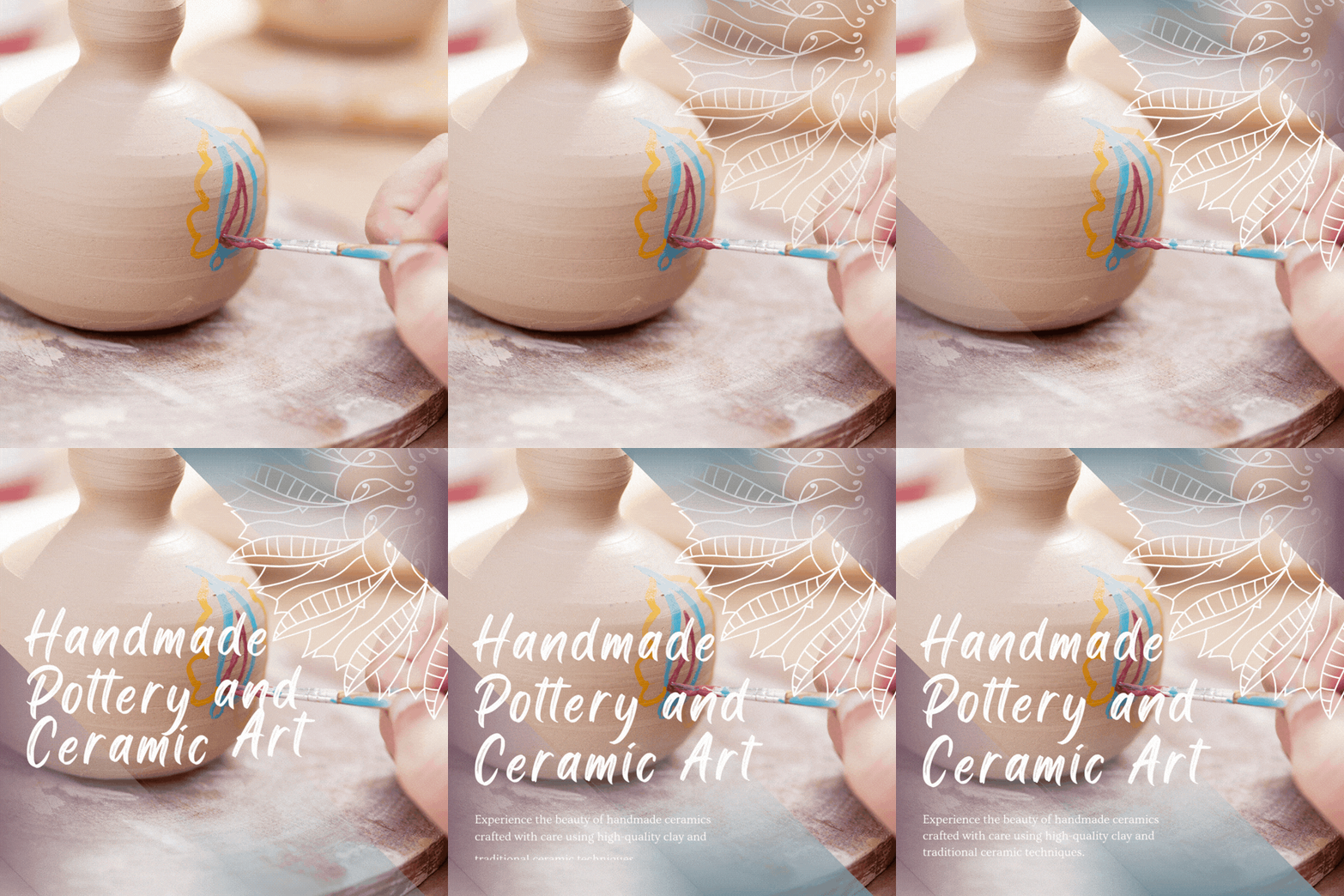
Pottery in Safi: Between the Past and the Future
Meta description: How is Safi pottery evolving? Explore the balance between preserving centuries-old ceramic traditions and embracing modern innovation, sustainability, and global demand.
Introduction: A Craft at a Crossroads
Safi pottery has survived centuries of change — from ancient Berber origins to colonial-era innovation and modern global export. Today, the city’s ceramic industry stands at a new crossroads, balancing the preservation of traditional Moroccan pottery techniques with the pressures and opportunities of the modern world.
This article examines how Safi’s ceramic heritage is navigating the tension between honoring the past and adapting for the future.
The Weight of Tradition
For generations, pottery-making in Safi has been passed down through families, with skills taught not in classrooms but through years of hands-on apprenticeship in the historic Potters’ Quarter (Colline des Potiers). This oral, experiential transmission of knowledge has preserved techniques that are centuries old — from wheel-throwing methods to the closely guarded glaze formulas behind the famous “vert de Safi” green glaze.
This deep-rooted tradition is central to Safi’s identity. It’s not just an industry — it’s a cultural heritage that reflects the region’s history, artistry, and communal way of life.
Challenges Facing Safi’s Ceramic Industry
Despite its rich legacy, Safi’s pottery sector faces several modern challenges:
- Declining interest among younger generations, many of whom pursue other careers instead of continuing family pottery traditions
- Competition from mass-produced, machine-made ceramics, which are cheaper but lack authenticity
- Rising costs of raw materials and fuel used in traditional kilns
- Environmental concerns related to wood-fired or gas-fired kilns and clay sourcing practices
- Limited access to international markets for smaller, independent artisans
These pressures raise an important question: how can Safi preserve its artisanal identity while remaining economically viable?
Innovation Meeting Tradition
Rather than abandoning heritage techniques, many workshops in Safi are finding ways to modernize without losing authenticity:
Sustainable Production Methods
Some artisans are transitioning to more energy-efficient kilns, reducing environmental impact while maintaining firing quality. Efforts to source clay more sustainably are also gaining attention as environmental awareness grows.
E-Commerce and Global Reach
Where pottery was once sold primarily through local markets and cooperatives, many Safi artisans and workshops now use online platforms and international export networks to reach customers directly — from interior designers in Europe to collectors in North America.
Design Collaboration
Contemporary designers are increasingly collaborating with traditional Safi potters, blending modern aesthetics with ancestral techniques. This fusion has helped introduce Safi ceramics to new audiences, including younger consumers and international design markets.
Cooperative and Government Support
Local artisan cooperatives, along with cultural preservation initiatives, are working to protect Safi’s ceramic heritage through training programs, craft fairs, and efforts to formally recognize the region’s pottery traditions as protected cultural heritage.
Why Preserving Safi’s Pottery Matters
Protecting Safi’s ceramic traditions isn’t just about economics — it’s about safeguarding a living piece of Moroccan cultural identity. Each hand-thrown, hand-painted piece carries centuries of history, skill, and artistic expression that mass production simply cannot replicate.
At the same time, embracing innovation ensures that this heritage doesn’t remain frozen in the past, but continues to grow, adapt, and thrive for future generations of both artisans and admirers.
The Path Forward
The future of pottery in Safi likely lies in a balanced approach:
- Continuing to train young artisans in traditional techniques
- Adopting sustainable and efficient production methods
- Expanding global market access through digital platforms
- Encouraging creative collaboration without compromising authenticity
- Promoting Safi as a cultural tourism destination centered around ceramic heritage
Conclusion
Pottery in Safi stands at a meaningful turning point caught between honoring an ancestral craft and adapting to a rapidly changing world. By blending time-tested techniques with modern sustainability, digital reach, and creative innovation, Safi has the opportunity to ensure its ceramic legacy not only survives but thrives for generations to come. The past and the future of Safi pottery aren’t in conflict they’re two halves of the same enduring story.